 how-to
How to Value Personal Property for Estate Distribution
Table of Contents
- Start with an Estate Inventory Checklist for Personal Property
- Distinguish Personal Property from Real Estate
- When to Get a Personal Property Appraisal for Probate
- Valuing Antiques and Collectibles for an Estate
- How to Divide Personal Property Among Heirs
- How to Value Personal Property for Estate Distribution: A Step-by-Step Workflow
- Conclusion
- Frequently Asked Questions
Last Updated: October 16, 2026
Start with an Estate Inventory Checklist for Personal Property
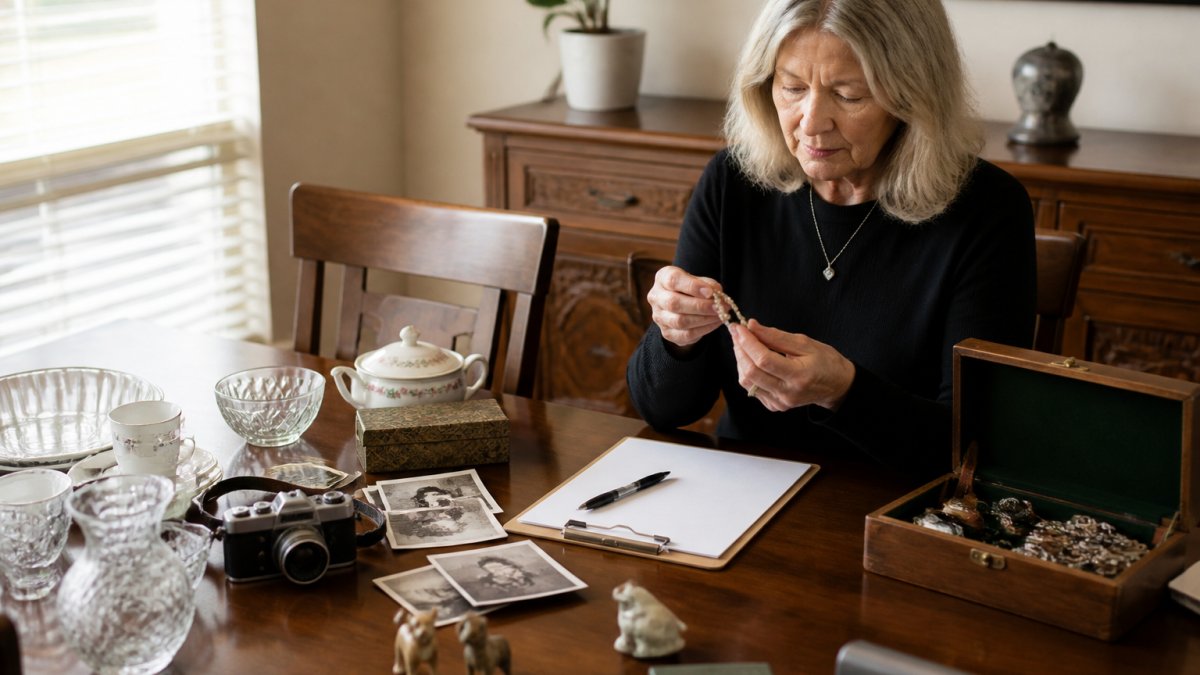
Personal property is everything a person owns that isn't land or buildings: furniture, jewelry, clothing, tools, vehicles, artwork, and household goods. When a parent dies, someone has to list all of it before anything can be divided.
That someone is usually you.
At WTS Solutions, we walk families through this exact process, and the first step is always the same: build a written inventory before you move, sell, or give away a single item. An estate inventory checklist for personal property turns an overwhelming house into a manageable list.
Here's what a working checklist includes:
- Room-by-room walkthrough with photos of each wall and closet
- Item name, description, and condition noted for anything worth $100 or more
- Receipts, invoices, and insurance records gathered in one folder
- Serial numbers recorded for electronics, firearms, and appliances
- Rough count of low-value items (dishes, linens, books) by box
- Date of the walkthrough written at the top of the list
Distinguish Personal Property from Real Estate
Real property is land and anything permanently attached to it, including the house itself. Personal property is everything else. That line matters because the two are handled differently in probate.
Fixtures sit on the confusing middle ground. A chandelier bolted to the ceiling is usually real property. A chandelier sitting in a box in the garage is personal property. Built-in bookcases, attached appliances, and in-ground landscaping tend to follow the house. Freestanding furniture, area rugs, and wall art do not.
Why does this matter? Probate courts, deeds, and tax records treat real estate and personal property under separate rules, and the executor is responsible for identifying and valuing both. Mixing them up can stall a sale or trigger a beneficiary dispute.
A simple test: if removing the item would damage the home, it's probably real property. If you can carry it out the front door, it's probably personal property.
When to Get a Personal Property Appraisal for Probate
A personal property appraisal for probate is a written valuation of specific items, prepared by a qualified professional appraiser, that a court or executor can rely on. Not every estate needs one. Many do.
Get a professional appraisal when:
- The estate is large enough to owe federal estate tax
- A beneficiary disputes what an item is worth
- The will leaves specific items to specific people
- Valuable artwork, jewelry, antiques, or collectibles are involved
- The court or an attorney requests documented values
- An item may be donated and you want a defensible deduction
For ordinary household goods, you can often use receipts, prior appraisals, insurance records, and comparable sales to estimate fair market value yourself. For anything unusual or high-value, hire a professional.
How to Choose and Assess an Appraiser
Credentials matter because a court, the IRS, or a beneficiary may challenge the number. Look for an appraiser who holds a designation from a recognized appraisal organization and who specializes in the category of item you own. A generalist who values a house is not the right person to value a coin collection, and a jewelry appraiser is not the right person to value a tractor.
Ask each candidate:
- What credential do you hold, and from which organization?
- How many assignments like this have you completed in the last year?
- What valuation method will you use, and why?
- Will you provide a written report, and what will it include?
- Do you charge by the hour, by the item, or a flat fee?
- Do you ever buy, sell, or broker the items you appraise?
That last question is the independence test. An appraiser who also wants to buy the item has a conflict of interest, and a low appraisal followed by a purchase offer is a pattern that draws scrutiny. Keep the roles separate.
What a Usable Appraisal Report Contains
A report you can hand to a court or an attorney should stand on its own. At minimum, look for:
- A clear statement of the valuation date and the purpose of the appraisal
- A description of each item sufficient to identify it (maker, model, dimensions, condition)
- The valuation method used and the definition of value applied
- Comparable sales or market data supporting the number
- The appraiser's signature, credential, and date
- Any limiting conditions or assumptions
If a report is a single number on a page with no comparables, it will not survive a challenge. Ask for the underlying data.
When a Second Opinion Is Worth It
A second appraisal is usually worth the cost when:
- The first number is far outside what comparable sales suggest
- A beneficiary objects to the value
- The item is unusual enough that only a few specialists exist
- The estate tax exposure is large enough that a small percentage change matters
Two independent appraisals that land in the same range are strong evidence. Two that diverge sharply tell you the item is genuinely hard to value, which is itself useful information for the executor.
Valuing Antiques and Collectibles for an Estate
Valuing antiques and collectibles for an estate means finding what a willing buyer would pay today, not what the item originally cost. Fair market value is the standard, and it's usually lower than replacement cost.
A few practical rules:
- Condition drives value more than age
- Comparable sales from the last 6-12 months are the best evidence
- Original boxes, paperwork, and provenance add value
- Sentimental value has no place in the number
For jewelry, artwork, and collectibles, a specialist appraiser is worth the cost. For furniture and household goods, an estate sale company can often price items accurately based on local demand.
How to Divide Personal Property Among Heirs
Dividing personal property among heirs is where good intentions meet real conflict. The most common mistake is starting with the items instead of the process. Pick the method first, write it down, and share it with every beneficiary before anyone touches a box.
Method 1: Selection Rounds with Equalization
This works when the estate has many items of similar value and heirs want to choose.
- List every item with its appraised or estimated value.
- Total the value of all personal property.
- Divide the total by the number of beneficiaries to get each share.
- Let heirs take turns selecting items until shares are equal.
- Use cash from the estate to balance any gaps.
A common pattern is to draw names for the order, then reverse the order on the next round so the last picker goes first. That keeps the process from favoring whoever drew first.
Method 2: Buyouts
When one heir wants a specific item and others do not, a buyout keeps the item in the family and keeps the shares even. The heir who wants the item pays the estate the appraised value (or the agreed value), and that cash is added to the pot for everyone. This is often the cleanest way to handle a single piece of jewelry, a firearm, or a piece of furniture with family history.
Method 3: Sale and Split Proceeds
When no one wants most of the items, sell them and divide the cash. An estate sale company typically takes a commission, so the net proceeds, not the gross, are what get divided. Liquidating through an estate sale is often faster and less emotional than negotiating item by item, but it can leave heirs feeling they lost something sentimental.
Method 4: Auction
For high-value or unusual items, an auction can establish a real market price. The trade-off is fees and timing: auction houses charge seller's commissions, and payment may not arrive for weeks after the sale. Use an auction when the item's value is genuinely uncertain and you want the market to decide.
Accounting for Unequal Item Values
If one heir receives a $5,000 item and another receives $500 worth of household goods, the shares are not equal. Fix it one of three ways:
- Have the higher-value recipient pay the difference into the estate
- Give the lower-value recipient other assets (cash, a vehicle, real property) to close the gap
- Adjust the residuary distribution so the totals match
Write the math down. A simple spreadsheet showing each heir's name, items received, values, and running total ends most arguments before they start.
Handling Sentimental Items
For items with little monetary value but strong emotional weight, run a separate rotation. Let each heir pick one item in order, then repeat until everything is claimed. Items nobody wants go to sale, donation, or the estate sale. Do not let sentimental value get mixed into the monetary accounting, it distorts the numbers and invites resentment.
Preventing Disputes
- Put the method in writing and get every heir to acknowledge it
- Keep the master list in a shared cloud folder with read-only access for all heirs
- Photograph items before they leave the house
- Use a neutral third party, an attorney, mediator, or professional executor, when siblings disagree
- Document every decision, including who declined what
An executor who tries to referee family fights alone often becomes the target of them. Bringing in a neutral party early is cheaper than litigating later.
How to Value Personal Property for Estate Distribution: A Step-by-Step Workflow
Here is the workflow we use when families ask how to value personal property for estate distribution. Work through it in order.
| Step | Action | Who Does It | When |
|---|---|---|---|
| 1 | Complete the room-by-room inventory | Executor or family | First 2 weeks |
| 2 | Sort items into real vs. personal property | Executor, with attorney if unclear | Week 2-3 |
| 3 | Group items by value tier (high, mid, low) | Executor | Week 3 |
| 4 | Gather receipts, prior appraisals, insurance records | Executor | Ongoing |
| 5 | Hire appraisers for high-value or unusual items | Executor | Week 3-5 |
| 6 | Estimate fair market value for mid and low tier items | Executor or estate sale company | Week 4-6 |
| 7 | Document everything in one master list | Executor | Throughout |
| 8 | Divide, sell, or transfer per the will or state law | Executor, with court approval | After probate |
Two details trip people up. First, the valuation date matters: most states use the date of death for estate tax purposes, but check your state's probate court rules, since some allow an alternate date. Second, every number needs a paper trail. A master list with photos, receipts, and appraisals ends arguments before they start.
If the estate includes a home that must be emptied, the timeline above usually overlaps with a move-out. That's where a coordinated team helps.
Conclusion
Valuing personal property for estate distribution is part inventory work, part appraisal, and part family diplomacy. Get the checklist right, separate real from personal property, and document every number, and the rest gets much easier.
At WTS Solutions, we handle the parts that overwhelm families: coordinating move-outs from homes and assisted living facilities, connecting you with qualified appraisers and estate sale partners, and managing the logistics of asset transition from start to finish. Our team bridges the gap between grieving families and the professionals who can help.
If you're facing a house full of belongings and no clear place to start, connect with WTS Solutions and let us carry the logistics while you focus on what matters most.
Frequently Asked Questions
How do you determine the value of personal property in an estate?
Start by inventorying every item and gathering receipts, prior appraisals, or insurance records. For ordinary household goods, check recent comparable sales on sites like eBay or local auction results. For valuable items such as jewelry, artwork, or antiques, hire a professional appraiser. The goal is to establish fair market value as of the date of death, which is the standard probate courts use.
Should personal property be valued at fair market value or replacement cost?
For estate distribution and probate, fair market value is the standard. That means the price a willing buyer would pay a willing seller, neither under pressure. Replacement cost, which is what it would take to buy a similar item new, is typically used for insurance purposes. Using fair market value ensures the estate is valued correctly for tax obligations and beneficiary distribution.
How do you divide personal belongings fairly among heirs?
Begin with a complete inventory and agreed-upon valuations. Then use a rotation or lottery system where each heir selects items in turn. For items of similar value, grouping them into lots can simplify the process. If disagreements arise, a neutral third party or mediator can help. Document every decision in writing to prevent future beneficiary disputes.
When should an executor hire a professional appraiser?
Hire a professional appraiser when the estate includes items whose value is uncertain or likely to exceed a few thousand dollars, such as artwork, jewelry, antiques, or collectibles. Also consider an appraisal if the estate may owe estate tax, if beneficiaries disagree on value, or if probate court requires a formal appraisal report. For everyday household goods, a self-guided valuation using comparable sales is often sufficient.