 how-to
How to Value Items for Estate Sale: A Step-by-Step Guide
Table of Contents
- Understanding Fair Market Value vs. Retail Price
- Step 1: Assess Item Condition and Quality
- Step 2: Research Comparable Sales and Market Demand
- How to Identify Valuable Antiques and Collectibles
- Step 3: Develop a Pricing Strategy for Your Estate Sale
- When to Hire Professional Estate Liquidators
- Pricing Strategies for Online vs. In-Person Sales
- Tax and Legal Documentation for Estate Valuations
Last Updated: August 30, 2026
Understanding Fair Market Value vs. Retail Price
Fair market value is the price at which property would change hands between a willing buyer and a willing seller, neither under pressure to buy or sell and both having reasonable knowledge of relevant facts. It's not the original purchase price or what an item would cost new, it's what someone would actually pay for it today in its current condition.
Retail price, by contrast, is what a store charges for a new item. The gap between these two can be enormous. A sofa that cost $2,500 new might have a fair market value of $400 at estate sale. Most household items depreciate rapidly. Furniture loses value quickly unless it's antique, high-end, or mid-century modern. Electronics become nearly worthless within a few years. Clothing, books, and general household goods have minimal resale value unless they're designer, vintage, or collectible.
WTS Solutions helps families navigate this reality by connecting them with professional appraisers and estate liquidators who understand current market conditions. The goal is to price items accurately so they sell during the estate sale window rather than sitting unsold.
Step 1: Assess Item Condition and Quality
The condition of an item is the single largest factor determining its fair market value. A piece of furniture in pristine condition might sell for three times what the same piece would fetch if it shows wear, stains, or damage (peer-reviewed research).
Start by examining each item closely. Look for visible damage: scratches, dents, stains, tears, cracks, or missing parts. Check mechanical function, does a drawer slide smoothly? Does a lamp turn on? For furniture, flip it over and check joints, legs, and structural integrity.
Document condition honestly. If a chair has a stain, note it. If wood is scratched, document it. This documentation helps you price accurately and protects you if a buyer later claims they weren't informed about damage.
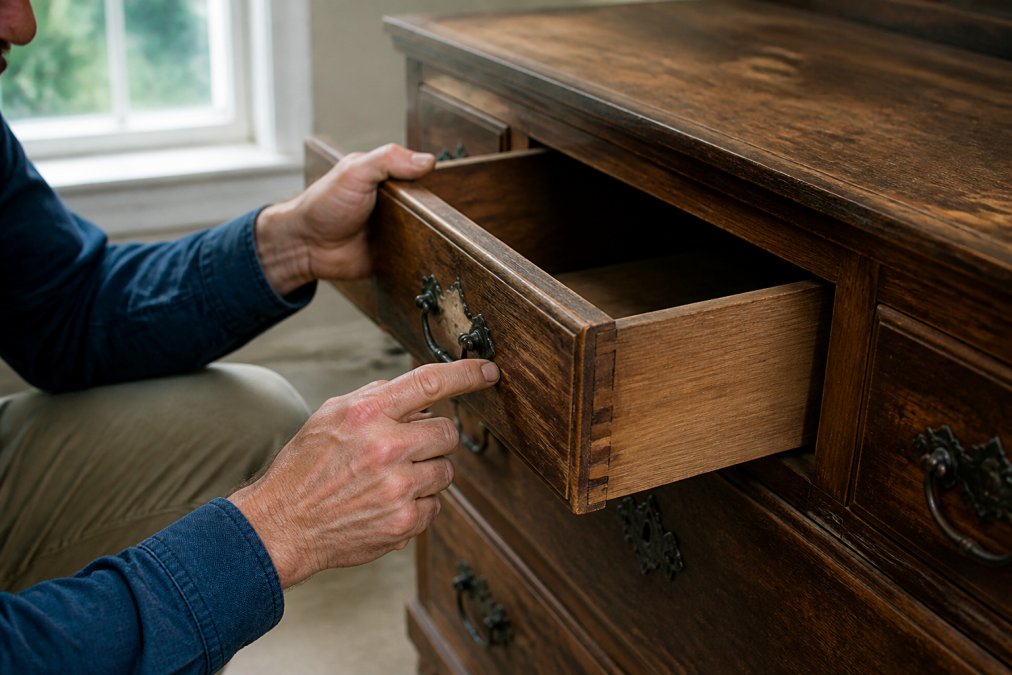
For collectibles and antiques, look for maker's marks, signatures, or stamps that indicate origin. Check for cracks, chips, or repairs in ceramics or glass. For textiles, examine for stains, fading, or moth damage. For books, check the spine, pages, and dust jacket condition.
Create a simple condition rating system: Excellent (like new, minimal wear), Good (minor wear, fully functional), Fair (visible wear, fully functional), or Poor (significant damage, limited functionality). This framework helps you stay consistent across all items and prevents emotional attachment from inflating condition assessments.
Step 2: Research Comparable Sales and Market Demand
After assessing condition, research what similar items actually sold for recently. This is where fair market value becomes concrete rather than theoretical.
Start with online marketplaces. Search for the same item, brand, era, and condition on eBay, Facebook Marketplace, Craigslist, and specialized sites like Etsy or 1stDibs. Look at completed listings and actual sold prices, not asking prices. eBay's "Sold" filter is invaluable. For furniture, check local consignment shops, antique malls, and call local estate sale companies for pricing guidance.
For collectibles, vintage toys, coins, and memorabilia, specialized marketplaces matter more. Collector forums and specialty retailers track market demand closely. A vintage Star Wars figure worth $50 on eBay might be worth $200 if rare and mint condition, or $5 if common and worn.
Document what you find in a simple spreadsheet: item description, condition, asking price, sold price, source, and date. Market demand fluctuates, vintage mid-century modern furniture is hot right now. Practical items like kitchen equipment sell better than purely decorative pieces.
How to Identify Valuable Antiques and Collectibles
Not all old things are valuable, but some items in an estate have significantly more worth than they appear. Learning to spot potentially valuable pieces prevents you from pricing a $500 item at $20.
Age alone doesn't determine value. A 1970s lamp isn't automatically valuable just because it's 50 years old. Rarity, condition, provenance (documented history and origin), and current demand matter most.
Antiques, by definition, are items at least 100 years old and have inherent historical value. But not all antiques are equally valuable. A common depression-era glass dish might be worth $5. A rare Tiffany lamp could be worth thousands.
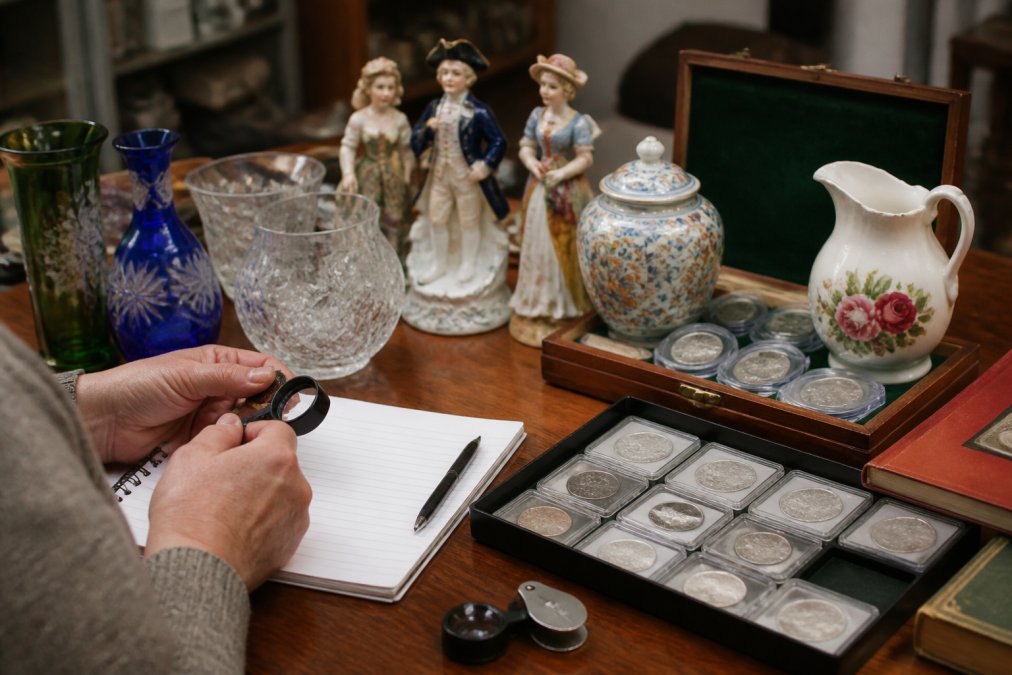
Look for maker's marks and signatures. Certain manufacturers command premium prices: Steuben glass, Lalique crystal, Royal Doulton figurines, Wedgwood pottery. A piece signed by a known artist or from a respected manufacturer can be worth 10 times what an unmarked piece brings.
Mid-century modern furniture is currently in high demand. Eames chairs, Herman Miller pieces, and Danish teak furniture from the 1950s-1970s often surprise families with their value. A single Eames lounge chair can sell for $800-$1,500 depending on condition (the American Dental Association).
Collectibles vary by category. Vintage toys in original packaging, first-edition comic books, first-pressing vinyl records, and jewelry or watches from known designers or eras (Art Deco, Victorian) often have significant worth. When you encounter items you suspect might be valuable, research before pricing. Consider hiring a professional appraiser for items that might be worth $200 or more, the cost typically pays for itself if it prevents underpricing a valuable piece.
Step 3: Develop a Pricing Strategy for Your Estate Sale
Once you've assessed condition and researched comparable sales, develop a coherent pricing strategy. This isn't random, it's a framework that helps you price consistently and defensibly.
Start with your research data. For each item, you should have at least one comparable sale price. Use that as your anchor. If similar items sold for $50-$100, price yours in that range based on condition.
Apply a discount for estate sale context. Estate sales move volume. Buyers expect prices 30-50% below retail and 10-30% below typical used prices (the FTC). This creates urgency and keeps items moving.
Categorize items by type and apply consistent logic. Small decorative items might be $2-$15. Mid-range furniture might be $50-$300. High-value pieces might be $300+. Bulk items might be $0.50-$5 each with quantity discounts.
Create price tiers for quantity purchases. "Buy 3 items, get 10% off" encourages larger purchases and reduces inventory faster. Price items that won't sell at premium prices to move volume, kitchen items, everyday linens, common books, basic electronics.
Mark items clearly with legible price tags. Leave room for negotiation on high-value items. Use psychological pricing, items priced at $19 sell better than $20.
When to Hire Professional Estate Liquidators
Professional estate liquidators bring expertise, connections, and labor. They've priced thousands of items and know which items have hidden value. They have buyer networks and marketing reach.
Hire professionals if the estate is large, includes potentially valuable antiques or collectibles, you lack time or emotional capacity to manage it, family members disagree about how to proceed, or the estate includes items requiring specialized knowledge.
Professional estate liquidators typically work on commission, taking 35-50% of sales. This means they're financially motivated to price items correctly and market the sale effectively. They handle inventory, pricing, advertising, setup, sale management, and cleanup.
WTS Solutions connects families with qualified estate liquidators who understand both the logistics and emotional context of estate transitions. When evaluating liquidators, ask about their pricing process, marketing, commission structure, and references. A good liquidator will explain their methodology transparently and show comparable sales data that justifies their pricing.
Pricing Strategies for Online vs. In-Person Sales
The platform you choose affects pricing strategy significantly. In-person estate sales create urgency and allow buyers to inspect items physically. Prices can be somewhat higher because buyers see quality firsthand and competition creates bidding pressure. A successful estate sale might clear 70-80% of inventory in a weekend.
Online sales (eBay, Facebook Marketplace, Etsy) reach broader audiences but lack the urgency of in-person shopping. Items sit longer, and shipping costs reduce buyer appeal for heavy items. However, online sales can reach collectors nationwide and sometimes achieve higher prices for valuable or specialized items.
For everyday household items, in-person sales are more efficient. Price these items lower ($5-$50 range typically) and move them quickly. For potentially valuable items, antiques, collectibles, and designer pieces, online sales sometimes achieve better prices. A rare vintage toy might sell for $200 on eBay to a collector nationwide but only $50 at a local estate sale.
Online pricing requires factoring in shipping costs. If shipping costs $30, price the item lower to account for that cost to the buyer. Use online sales for items with niche appeal and in-person sales for volume and speed. Many estates use both approaches.
Tax and Legal Documentation for Estate Valuations
Proper documentation for tax purposes and estate settlement is essential. For federal estate tax purposes, the IRS requires a valuation of estate assets as of the date of death. This valuation determines the estate's taxable value. Keep records of how you determined fair market value for each item and document your research, comparable sales, professional appraisals, and methodology used.
For items you donate rather than sell, you need valuations for charitable deduction purposes. For items valued under $500 total, a written statement of the donation is sufficient. For items over $500, you need a qualified appraisal and Form 8283. For items over $5,000, a qualified appraiser must complete a detailed appraisal.
State laws vary regarding estate settlement and asset disposition. Consult an estate attorney in your state to understand your specific obligations. The executor or administrator of the estate has legal responsibility for proper asset valuation and disposition. Proper documentation protects the executor from liability if heirs later question whether assets were valued fairly or sold appropriately.
WTS Solutions helps families navigate this documentation requirement by coordinating with professional appraisers and liquidators who maintain proper records.
Settling an estate involves far more than simply pricing items for sale. It requires understanding fair market value, honestly assessing condition, researching comparable sales, and sometimes recognizing when professional expertise becomes essential.
WTS Solutions bridges the gap between grieving families and qualified professionals who handle estate valuations, sales coordination, and move management. Connect with WTS Solutions and let professionals handle the logistics while you focus on what matters most during difficult times.
| Valuation Method | Best Used For | Time Required | Accuracy Level |
|---|---|---|---|
| Online research (eBay, Marketplace) | Common household items, furniture | 15-30 min per item | Good for typical items |
| Professional appraisal | Antiques, collectibles, high-value pieces | 1-2 hours per item | Excellent, legally defensible |
| Estate liquidator assessment | Large estates, mixed inventory | Full inventory review | Very good, market-tested |
| Comparable sales documentation | Any item with market data | 20-45 min per item | Good, research-backed |
Frequently Asked Questions
How do I determine the fair market value of household items?
Fair market value is what a willing buyer would pay a willing seller on the open market, not retail price. Start by researching sold listings on eBay, Facebook Marketplace, and estate sale websites for identical or similar items. Check condition carefully, wear, missing parts, or damage significantly lowers value. For furniture and everyday items, expect a percentage of original retail price. For antiques and collectibles, use auction results and specialized appraisals. Document everything with photos and descriptions to support your valuations.
What items typically sell for the highest prices at estate sales?
Mid-century modern furniture, vintage jewelry, antique china and crystal, collectible figurines, and items with strong provenance can command premium prices. High-dollar items may include original artwork, quality leather furniture, vintage kitchenware from known manufacturers, and complete china sets. Demand varies by market, research local auction results to see what sells well in your area. Items in excellent condition with original packaging or documentation may fetch higher prices than those showing age or damage.
Should I use professional appraisers for specific estate items?
Yes, professional appraisers are worthwhile for high-value items like jewelry, antiques, collectibles, or artwork. They provide condition reports and fair market value documentation required for tax and insurance purposes. For estate settlement and probate, appraisals create a credible record that protects against disputes among heirs. For general household items and furniture, online research and comparable sales usually suffice. Professional appraisers charge for their services, but their expertise can prevent underpricing of valuable pieces.
How do I handle pricing for items that don't fit standard categories?
Break unusual items into components or comparable categories. A vintage sewing machine might price like collectible equipment rather than furniture. Specialty items like sports memorabilia, vintage tools, or niche collectibles require research in dedicated online communities and auction sites. Check eBay's sold listings filter, specialized forums, and auction house results for your specific item type. When in doubt, price conservatively, it's easier to negotiate down than to leave money on the table by overpricing and failing to sell.
This article was written using GrandRanker