 listicle
Professional Estate Clearing Services: A 2026 Guide
Table of Contents
- What Is Estate Clearing and Why Families Choose Professional Help
- Core Services Included in Professional Estate Clearing
- Estate Liquidation Checklist: Your Step-by-Step Roadmap
- Estate Cleanout Cost Estimator: Understanding Pricing Factors
- How to Prepare Your Home Before Professional Estate Clearing Begins
- Emotional Support and Managing Family Decisions During the Process
- Choosing the Right Estate Clearing Partner for Your Situation
- Conclusion
Last Updated: August 14, 2026
What Is Estate Clearing and Why Families Choose Professional Help
Estate clearing is the comprehensive process of sorting, organizing, and removing personal belongings from a property after someone passes away or transitions to a new living situation. It encompasses identifying valuable items for sale, responsibly disposing of unwanted goods through donation, recycling, or junk removal, and handling memories while often coordinating with multiple grieving family members.
Many families turn to professional estate clearing services because the emotional and logistical weight becomes overwhelming. You face decisions about sentimental items, maximizing what can be sold, managing heavy furniture, and navigating family disagreements about belongings. A professional estate clearing partner handles sorting, valuation, and removal so you can focus on the bigger picture.
According to research from the American Psychological Association on grief and major life transitions, families managing estates while grieving report significantly higher stress levels when handling the process alone. Professional estate liquidation services bridge the gap between emotional needs and practical requirements.
At WTS Solutions, we understand that estate clearing isn't just about logistics. It's about supporting families during one of life's most difficult transitions. Our team works with executors, adult children, and families to coordinate every aspect of the clearing process, from initial assessment through final disposal.
Core Services Included in Professional Estate Clearing
A full-service estate clearing operation covers far more ground than simple junk removal.
Sorting, Organizing, and Itemized Inventory
Professional teams systematically categorize items into distinct groups: keep (for family members), sell (for estate liquidation), donate (to local charities), recycle (for materials like metals and electronics), and dispose (for items that can't be salvaged).
A thorough inventory documents what's being removed, where items are going, and why, critical information for probate accounting and family records. An itemized inventory prevents disputes later, since everyone can see exactly what happened to belongings. Professional teams examine furniture for hidden items, check drawers and closets, and identify pieces with antique or collectible value that might otherwise end up in donation piles.
Donation, Recycling, and Eco-Friendly Disposal
Quality services prioritize donation and recycling to minimize environmental impact rather than sending everything to a landfill. Professional estate clearing companies partner with local charities, Habitat for Humanity ReStores, and specialized recycling centers. Clothing, furniture in good condition, books, and kitchenware find new homes through these partnerships. Electronics, appliances, and metal items go to certified recyclers who properly handle hazardous materials like refrigerants and lead-based components.
Eco-friendly disposal is often required by local regulations. Certain items like old paint, batteries, and fluorescent bulbs can't be thrown away in regular trash. Professional teams handle hazardous waste appropriately, protecting both the environment and your liability.
Junk Removal and Heavy Lifting
The physical work of clearing a home, moving mattresses, hauling furniture, carrying boxes, is genuinely dangerous and exhausting. Professional crews have the equipment, training, and manpower to handle heavy items safely without injury, including large appliances, old HVAC systems, basement and attic clearouts, and damaged items beyond repair.
Estate Liquidation Checklist: Your Step-by-Step Roadmap
An estate liquidation checklist keeps the clearing process organized and ensures nothing falls through the cracks.
| Step | Action | Timeline | Responsibility |
|---|---|---|---|
| 1. Initial Assessment | Schedule walkthrough, photograph property, identify valuable items | Week 1 | Professional team or executor |
| 2. Secure Documentation | Gather probate documents, will, insurance records, asset lists | Week 1-2 | Executor/family |
| 3. Notify Stakeholders | Inform all heirs, creditors (if required), and relevant parties | Week 1-2 | Executor |
| 4. Appraise Valuables | Get professional appraisals for jewelry, art, antiques, collectibles | Week 2-3 | Appraiser/professional team |
| 5. Plan Liquidation Strategy | Decide on estate sale, consignment, online auction, or direct buyout | Week 2-3 | Executor + professional partner |
| 6. Sort and Organize | Categorize items into keep, sell, donate, recycle, dispose | Week 3-4 | Professional team |
| 7. Execute Sales/Donations | Conduct estate sale, arrange pickups, coordinate consignments | Week 4-6 | Professional team |
| 8. Remove Remaining Items | Clear junk, heavy items, and unsold goods | Week 6-7 | Professional team |
| 9. Final Cleanup | Deep clean property, address any remaining items | Week 7-8 | Professional team or cleaning service |
| 10. Distribute Proceeds | Account for sale proceeds, document expenses, distribute to heirs | Week 8+ | Executor/accountant |
This timeline assumes a moderate-sized estate with no major complications. Larger estates or those with significant valuable items may require additional time.
Estate Cleanout Cost Estimator: Understanding Pricing Factors
Estate clearing pricing depends on multiple variables. Rather than stating specific prices, which vary widely by location, estate size, and complexity, here's what determines the cost.
Property Size and Volume determines labor and truck capacity. A one-bedroom apartment costs less than a four-bedroom house with basement and attic. Teams estimate based on square footage and item volume.
Condition and Type of Items affects handling requirements. Quality furniture and collectibles require careful handling, appraisal time, and multiple sales channels. Worn items and bulk junk move faster and cost less. Hazardous materials add specialized disposal costs.
Labor and Timeline vary significantly. A quick clearout of a small apartment might take days; a complex estate with valuable items requiring appraisal and multiple sales channels might span weeks or months.
Services Included range from basic junk removal to full-service estate clearing with appraisals, itemized inventory, and probate documentation. More comprehensive services cost more.
Geographic Location affects labor costs. Rural areas typically cost less than major metropolitan markets.
For accurate pricing, professional teams need an on-site or detailed phone assessment. Many providers offer free consultations where they evaluate the property and provide transparent quotes.
How to Prepare Your Home Before Professional Estate Clearing Begins
Preparing your property before the professional team arrives simplifies the process and often reduces costs.
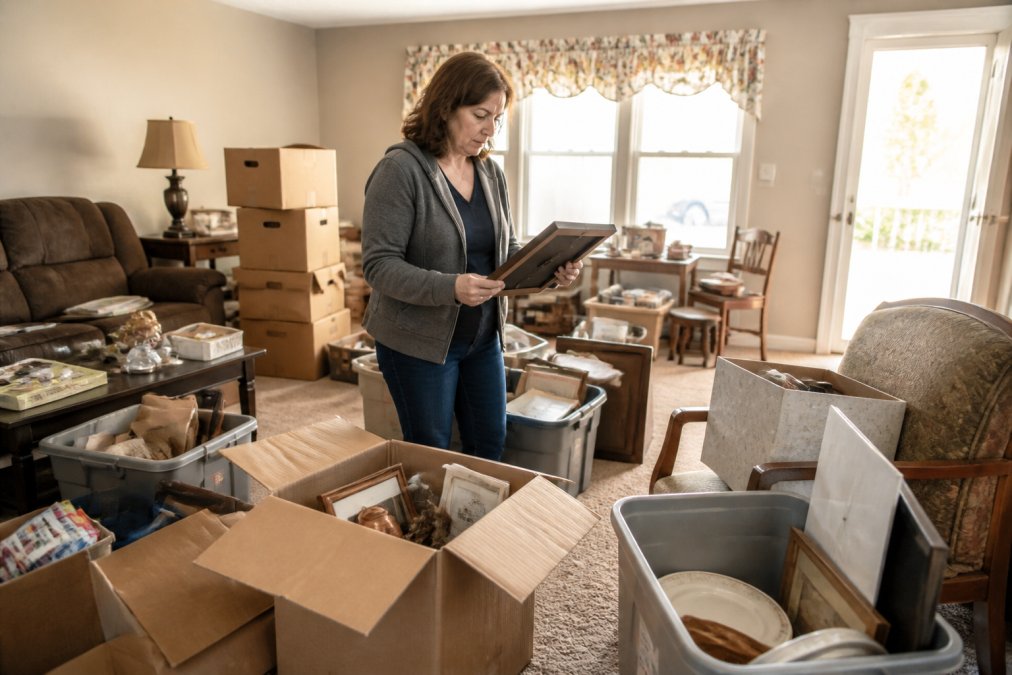
Document Valuable Items by photographing suspected valuables, jewelry, antiques, artwork, collectibles, high-end furniture, including maker's marks, serial numbers, and condition. This documentation helps appraisers and prevents disputes.
Gather Important Documents like insurance policies, receipts for valuable items, previous appraisals, and any documentation of special items. These support valuation for estate sale purposes.
Identify Items for Family Members before the professional team arrives so family members can claim specific items they want to keep. This prevents disagreements and reduces the volume needing clearing, often lowering costs.
Secure Access and Utilities by ensuring clear access to all property areas. Coordinate utility maintenance or shutdown timing with the service provider.
Address Hazards by informing the team of structural issues, pest infestations, or safety hazards so they can prepare appropriate equipment and precautions.
Clear Pathways to allow safe item movement without property damage.
Emotional Support and Managing Family Decisions During the Process
Estate clearing isn't purely logistical, it's deeply emotional. You're handling your loved one's possessions while processing grief, and family members often have conflicting views about belongings.
A compassionate professional team can facilitate discussions about sentimental items, help families understand realistic value, and manage disagreements without taking sides.
WTS Solutions recognizes that families need both logistical support and emotional consideration. Our approach prioritizes compassionate communication alongside efficient clearing.
Choosing the Right Estate Clearing Partner for Your Situation
Not all estate clearing services are equal. The right partner depends on your specific needs, estate complexity, and family priorities.
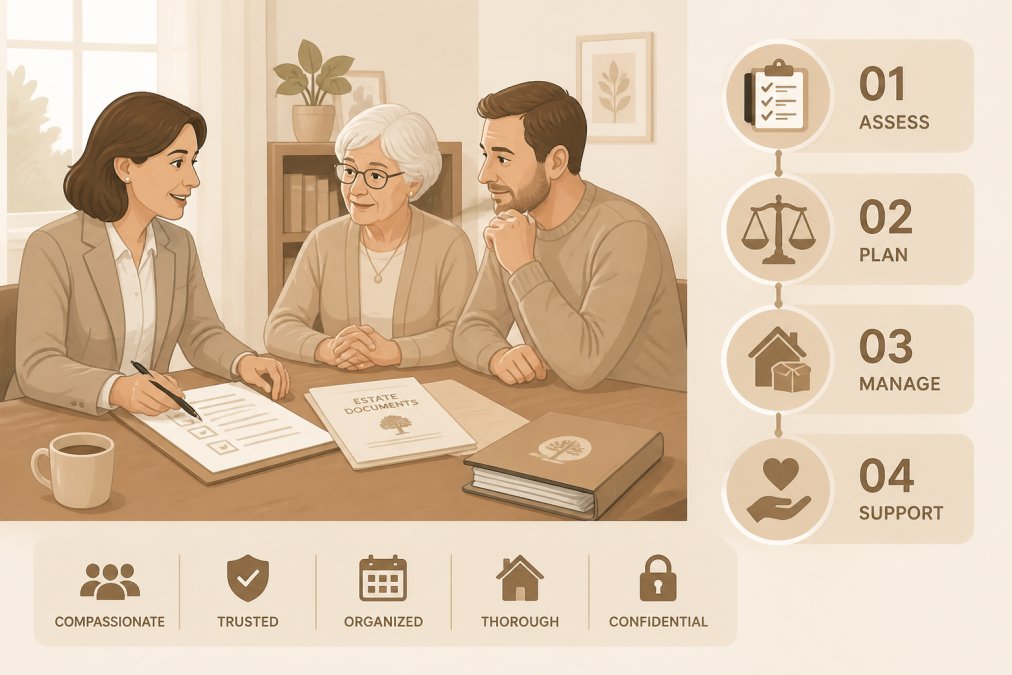
Look for Licensed and Insured Professionals by verifying proper licensing and liability insurance. Ask for proof of insurance and check business registration.
Assess Experience with Estates Like Yours by discussing your specific situation and asking about similar completed projects.
Evaluate Their Approach to Valuable Items by ensuring the team has experience with appraisals and appropriate sales channels if your estate includes antiques or collectibles.
Check References and Reviews by asking for references from other families in your area. Look for patterns in feedback rather than individual reviews.
Understand Their Partnerships by asking where items go and whether they have actual relationships with donation centers, appraisers, or auction houses.
Clarify Communication and Timeline by understanding how often you'll receive updates and how flexible they are with timeline changes.
Discuss Costs Transparently with providers who explain exactly what's included and offer free initial consultations with written estimates.
Consider Your Family's Needs by choosing a partner who respects your family's preferences for involvement level and adjusts their approach accordingly.
Estate clearing serves a critical purpose during one of life's most challenging transitions. The process requires sorting through years of accumulated possessions, making difficult decisions, and managing physical work while grieving. A professional estate clearing partner handles these logistics with compassion, allowing your family to focus on what truly matters.
WTS Solutions specializes in exactly this kind of support. Our team bridges the gap between grieving families and specialized professionals needed for probate guidance, asset liquidation, and move management. We coordinate every detail of your estate clearing, from initial assessment through final property cleanup, while providing compassionate support during difficult times. Connect with WTS Solutions to discuss how we can ease the burden of estate clearing and help your family navigate this transition with confidence.
Frequently Asked Questions
How much do professional estate clearing services typically cost?
Estate clearing pricing depends on the volume of belongings, the condition of the property, how many items require special handling, and which services you select. Costs vary based on whether you need full-service liquidation, basic cleanout, or specialized disposal. Most providers offer free consultations and on-site estimates. Contact WTS Solutions for a personalized quote based on your specific estate's needs and scope.
What should I include in my estate liquidation checklist?
A comprehensive estate liquidation checklist should cover: documenting all valuable items, identifying items for donation or recycling, arranging hazardous waste pickup, organizing paperwork and legal documents, scheduling the cleanout, arranging for item transportation, and confirming disposal and donation arrangements. Start with a walkthrough to categorize belongings, then coordinate with professionals to handle appraisals, sales, removals, and final cleanup to ensure nothing is overlooked.
What happens to items that don't sell during an estate clearing?
Items that don't sell during an estate sale are typically handled through donation to charities, recycling centers, or waste disposal, depending on their condition and value. Many professional services prioritize donations to reduce landfill waste and provide tax documentation for charitable contributions. Hazardous items like electronics or appliances are disposed of according to environmental regulations. Your service provider should explain the disposition of unsold items upfront and track where everything goes.
Do estate clearing services handle hazardous waste and specialty items?
Most professional estate clearing services handle common hazardous materials like old paint, chemicals, and batteries, but specific capabilities vary. Specialty items such as firearms, collectibles, or vehicles may require specialized liquidation partners. Always discuss hazardous materials and specialty items during your initial consultation so the service provider can arrange appropriate handling, ensure compliance with local regulations, and coordinate with specialized vendors if needed.
This article was written using GrandRanker