 listicle
Benefits of Professional Estate Appraisal Services
Table of Contents
- Why an Estate Appraisal Matters More Than You Think
- Estate Appraisal for Probate: What Executors Need to Know
- Personal Property Estate Appraisal: Valuing What's Inside the Home
- How to Choose an Estate Appraiser You Can Trust
- The Estate Appraisal Process: From Walkthrough to Report
- Tax Planning and Estate Tax Compliance: Where Appraisals Fit
- How an Independent Appraisal Resolves Family Disagreements
- Conclusion: Getting the Right Help at the Right Time
- Frequently Asked Questions
Last Updated: October 12, 2026
Why an Estate Appraisal Matters More Than You Think
When a parent dies, the house and everything inside it suddenly carries two kinds of weight: sentimental and financial. A professional estate appraisal separates those two, putting a defensible number on what the estate actually holds.
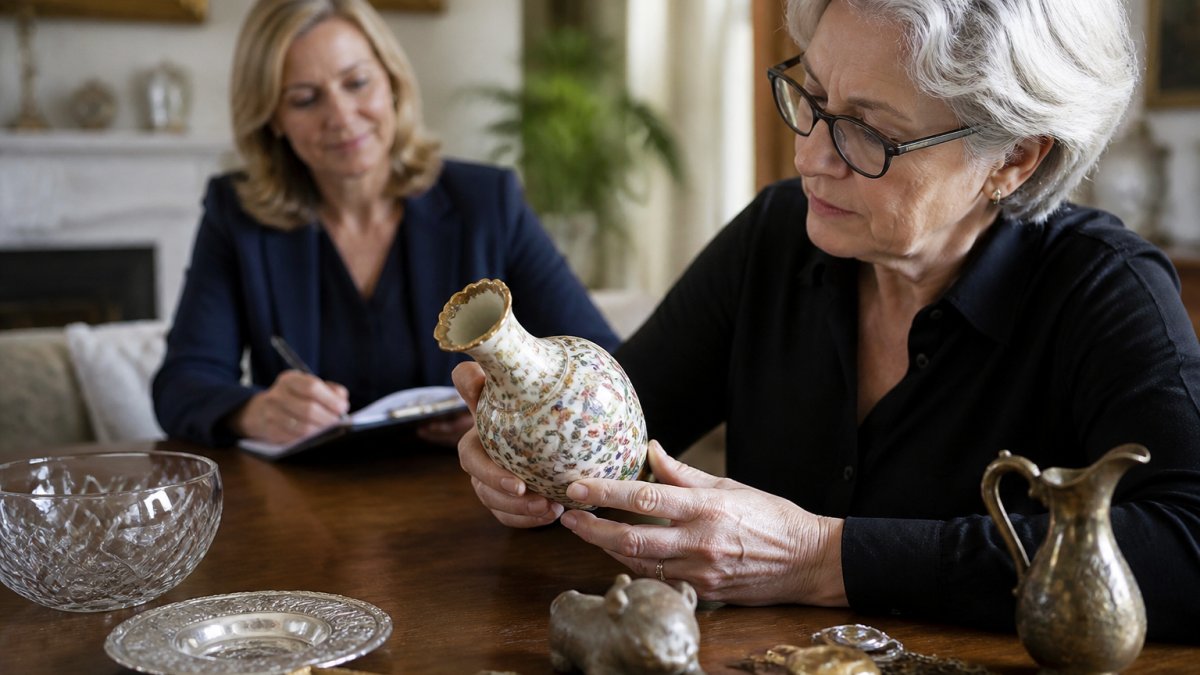
An estate appraisal is a written, independent opinion of value for real property, personal property, or both, prepared for estate purposes rather than for a mortgage or a listing. It is not a price tag. It is evidence.
Here is the part most families learn too late: the IRS does not accept an heir's best guess. The IRS estate and gift tax guidance lays out the filing framework, and it is one reason an appraisal prepared by a qualified professional matters.
Five reasons families hire an appraiser, in order of how often they actually come up:
- Probate courts and executors need a documented value for the estate inventory.
- Estate tax returns and gift tax reporting require defensible fair market value figures.
- Insurance carriers need current values before they will write or renew coverage on a home or its contents.
- Siblings and co-owners need a neutral number before they divide, buy out, or sell anything.
- Charitable donations of property require substantiation that only a qualified appraisal provides.
Below, we break down how each of these plays out in practice, what the appraisal process actually looks like, and how to choose someone whose report will survive scrutiny.
Estate Appraisal for Probate: What Executors Need to Know
Probate is the court-supervised process of validating a will and distributing the estate. Most executors do not realize that the court, and the heirs, expect a value for every significant asset, not just the house.
An estate appraisal for probate serves one core function: it creates the official record of what the estate was worth. That record gets filed with the court, used to calculate fees and taxes, and referenced when assets are transferred to heirs. When the value of real property is in dispute, a licensed appraiser's report carries far more weight than a comparative market analysis from a real estate agent, which is a marketing tool, not a valuation.
What executors typically need appraised:
- The primary residence and any other real estate
- Vehicles, boats, and recreational property
- Jewelry, art, and collectibles above modest thresholds
- Business interests or partnership stakes
- Household contents when the estate is large enough to require it
Timing matters as much as accuracy. Many states allow an executor to choose an alternate valuation date, generally six months after the date of death, when estate values have dropped. That election has real tax consequences and should be made with professional advice, not guessed at. The IRS instructions on the alternate valuation date explain when the election is available.
Personal Property Estate Appraisal: Valuing What's Inside the Home
Real estate gets the attention. Personal property is where estates quietly lose money.
A personal property estate appraisal covers the tangible items inside the home: furniture, silver, china, artwork, tools, collections, clothing of significant value, and the contents of garages and storage units. The International Society of Appraisers guidance on hiring a personal property appraiser makes a point worth repeating: valuing these items requires expertise that generalists rarely have.
Why this matters for families: personal property is frequently undervalued at exactly the moment it needs to be valued most. An executor who lists "household goods, $2,000" on a probate inventory may be signing off on a figure that is off by a wide margin, in either direction.
| Property Type | Who Typically Appraises It | Common Estate Purpose |
|---|---|---|
| Real estate | Licensed real estate appraiser | Probate inventory, estate tax, sale pricing |
| Jewelry and watches | GIA-trained or specialty appraiser | Insurance, division among heirs, donation |
| Fine art and antiques | Fine art or antiques specialist | Estate tax, charitable donation, auction |
| Household contents | Certified personal property appraiser | Estate inventory, estate sale planning |
| Business interests | Business valuation specialist | Estate tax, buyout, partnership dissolution |
A common mistake is treating the estate sale company's estimate as an appraisal. Those are different documents with different standards. An estate sale professional prices items to sell them quickly; an appraiser documents value for legal and tax purposes. Both are useful, and they are not interchangeable.
How to Choose an Estate Appraiser You Can Trust
Credentials are not decoration. They are the difference between an opinion and evidence.
Start by matching the appraiser to the asset. Real estate and personal property are separate specialties, and few professionals do both well. For real estate, look for a state-licensed or state-certified appraiser. For personal property, look for a designation from a recognized appraisal organization, such as the International Society of Appraisers or the Appraisal Institute, and confirm the appraiser's specialty matches what you own.
A short checklist we walk families through:
- Confirm the appraiser's credential and the organization that issued it
- Ask what percentage of their work is estate-related
- Ask whether they have ever appraised items in this category before
- Request two references from estate or probate matters
- Confirm the report will follow USPAP, the Uniform Standards of Professional Appraisal Practice
- Get the fee structure in writing before work begins
- Ask who will actually inspect the property, not just who signs the report
What affects the fee? Scope, not sentiment. A single-family home appraisal is a different engagement than a full-contents appraisal of a four-bedroom house with a basement, garage, and storage unit. Travel distance, the number of items, research required for unusual pieces, and turnaround time all move the number. We tell families to ask for a written scope of work, because "appraisal" means different things to different providers.
The Estate Appraisal Process: From Walkthrough to Report
Most estate appraisals follow the same arc, and knowing it removes a lot of anxiety.
Step 1: The engagement. The appraiser confirms the purpose (probate, tax, insurance, division), identifies the client, and defines the scope. The purpose shapes everything that follows, so be specific.
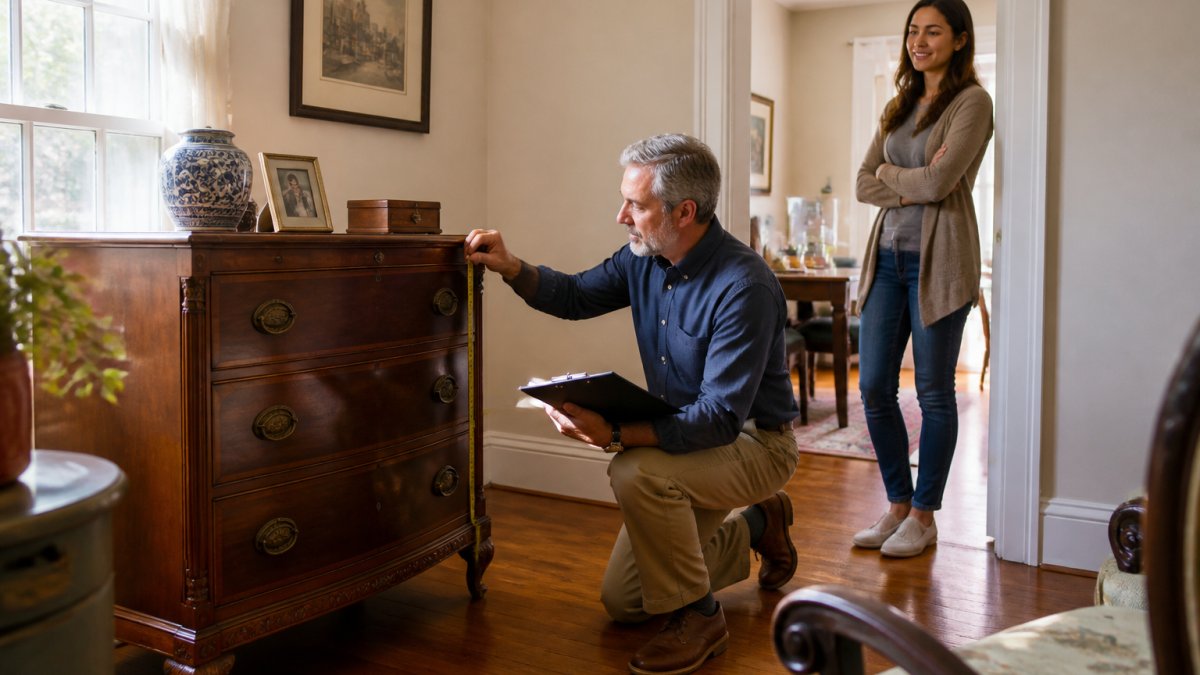
Step 2: The walkthrough. The appraiser inspects the property, measures, photographs, and notes condition. For personal property, this means opening cabinets, checking the backs of frames, and looking at hallmarks and maker's marks.
Step 3: Research. The appraiser pulls comparable sales, auction records, and market data. This is the invisible work that separates a real appraisal from a guess.
Step 4: The report. You receive a written document that states the value, the valuation date, the methodology, and the appraiser's qualifications and signature. Read it.
Tax Planning and Estate Tax Compliance: Where Appraisals Fit
An appraisal is the connective tissue between an estate and the tax system.
Three areas come up repeatedly. First, estate tax: the executor reports assets at fair market value as of the date of death, and the appraisal is the support for those figures. Second, gift tax: when someone transfers property to family during life, the reported value needs the same kind of documentation.
That last point deserves emphasis. Families often view the appraisal as a cost tied to probate. In practice, it is also a record that protects heirs when they eventually sell.
A retrospective appraisal, one prepared after the fact with a stated effective date in the past, is sometimes necessary when an estate discovers a valuation gap late. These are more difficult and more expensive because the appraiser must reconstruct market conditions as they existed.
How an Independent Appraisal Resolves Family Disagreements
The hardest part of an estate is rarely the paperwork. It is the conversation.
When siblings disagree about what mom's house is worth, or whether dad's watch collection should be sold or split, the argument is usually about fairness, not facts. An independent appraisal changes the shape of that conversation. It replaces "I think it's worth more" with a number that neither party produced. That shift is subtle and it is powerful.
We see three situations where a neutral valuation does the most work:
- One sibling wants to buy the house from the estate and the others want a fair price
- Heirs cannot agree on whether to sell, rent, or hold a property
- Co-owners of a jointly held asset need to divide or buy out a share
An appraiser is not a mediator and should not be asked to take sides. What the appraiser provides is an impartial assessment that both sides can accept as a reference point. In our work, that single document defuses more arguments than any conversation we can have.
Conclusion: Getting the Right Help at the Right Time
The challenge with estate appraisals is rarely the appraisal itself. It is everything surrounding it: the probate deadlines, the house full of belongings, the siblings who disagree, and the sheer weight of doing this while grieving. Getting a qualified appraiser engaged early makes every one of those problems smaller.
WTS Solutions bridges the gap between families and the professionals who handle this work. We coordinate appraisers, estate sale companies, and move crews so you are not assembling a team from scratch in the worst possible week. Our team handles move-outs from homes and assisted living facilities, manages the logistics of asset transition, and keeps the process organized from the first phone call to the final cleared room.
Connect with WTS Solutions and let us carry the logistics while you focus on your family.
Frequently Asked Questions
What are the benefits of hiring a professional estate appraiser?
A qualified appraiser provides an unbiased opinion of value that holds up for probate, tax filings, insurance claims, and family division of assets. Their report documents comparable sales, valuation methodology, and fair market value, which reduces the risk of costly errors and disputes. An independent assessment also protects executors from personal liability by showing they acted in good faith.
When does an estate need a professional appraisal?
An estate typically needs an appraisal when filing an estate tax return, submitting probate inventory to the court, dividing assets among heirs, making charitable donations of property, or updating insurance coverage. Even smaller estates benefit when heirs disagree on value or when valuable personal property is involved. An executor should consult a qualified appraiser early in the estate appraisal process to determine what is required.
What is the difference between a real estate appraisal and a personal property estate appraisal?
A real estate appraisal values land and buildings using comparable sales, income approach, or cost approach. A personal property estate appraisal values tangible items like furniture, jewelry, art, and collectibles. Many estates need both types. The real property is usually the largest asset, but personal property can carry significant value and emotional weight, making both appraisals important for a complete estate valuation.
What should an executor look for when choosing an estate appraiser?
Look for a licensed or certified appraiser with specific experience in estate and probate work. Verify credentials through professional organizations, ask for sample reports, and confirm they carry liability insurance. A qualified appraiser should provide a written engagement letter, disclose any conflict of interest, and explain their valuation methodology. Ask how they handle personal property versus real property, and whether they have references from other executors.
How can an independent appraisal help resolve disagreements among heirs?
When siblings disagree about what mom's belongings are worth, an impartial assessment removes emotion from the conversation. The appraiser's report gives everyone a shared reference point based on market data and comparable sales. This objective valuation can prevent costly litigation and help families divide assets fairly. An independent appraiser has no stake in the outcome, so heirs are more likely to accept the findings.