 how-to
What to Do With Sentimental Items After a Loss
Table of Contents
- Understanding Sentimental Items and Emotional Attachment
- How to Decide What to Keep After a Death
- Creating Memory Boxes and Preserving Keepsakes
- Photographing Items Before Letting Them Go
- Legal Requirements for Distributing Personal Property
- Estate Liquidation Services for Personal Property
- Handling Disagreement Among Family Members
- Frequently Asked Questions
Last Updated: September 19, 2026
Understanding Sentimental Items and Emotional Attachment
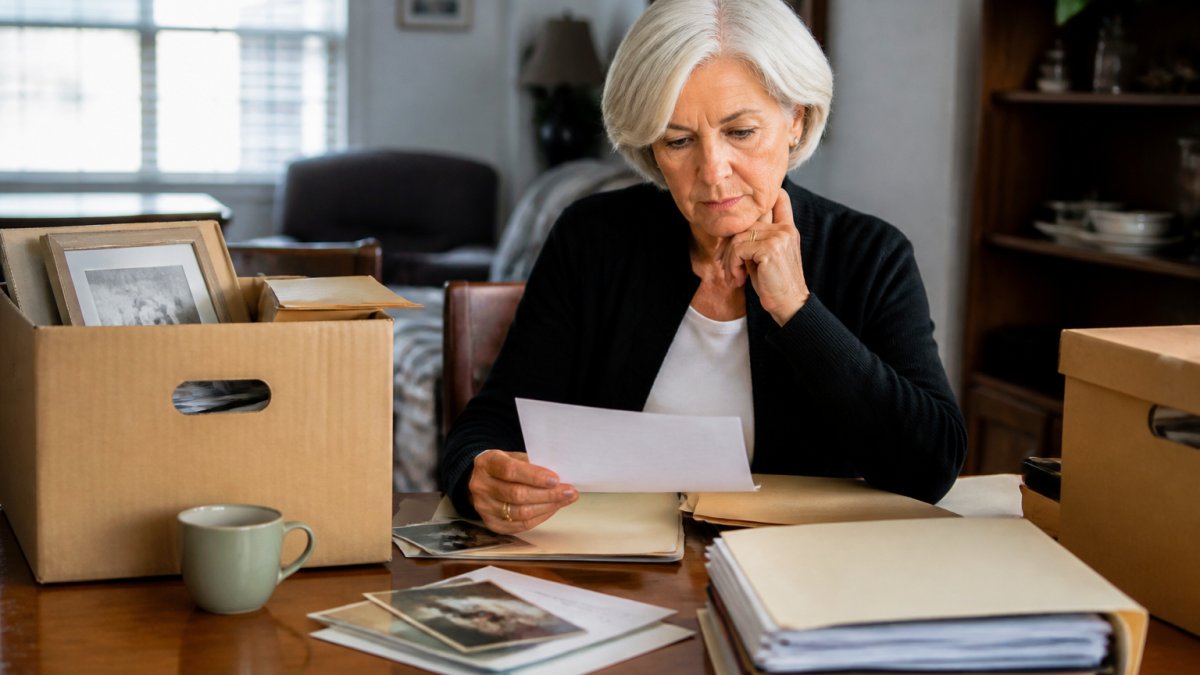
When someone passes away, their belongings become tangible memories. Understanding what to do with sentimental items after death is one of the hardest decisions families face during grief.
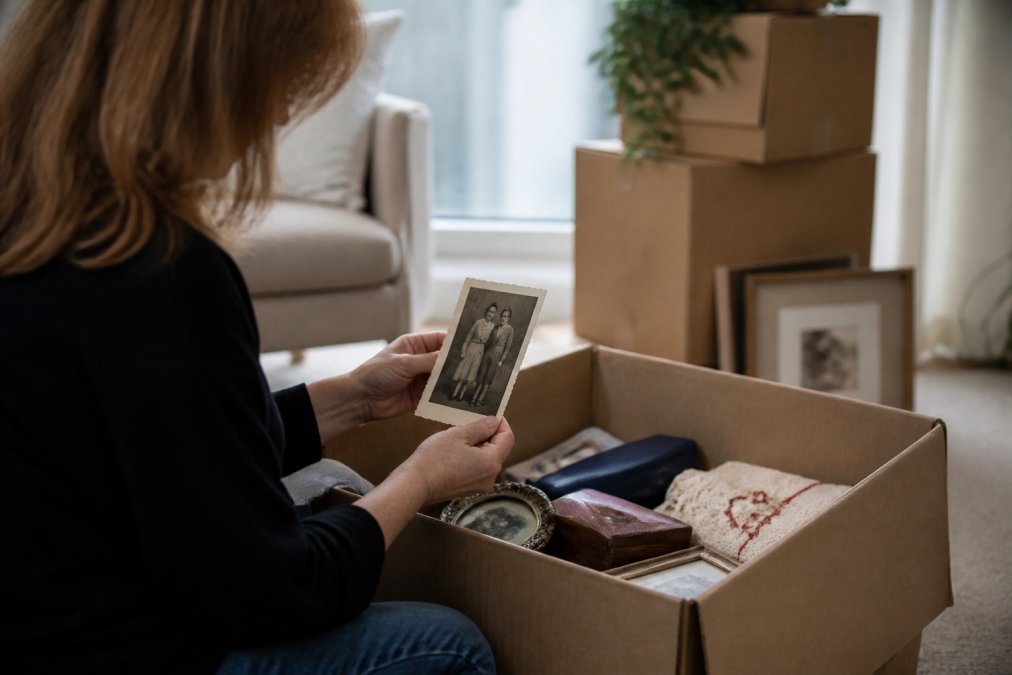
Sentimental items are possessions that hold emotional or personal meaning rather than monetary value, a parent's favorite sweater, handwritten letters, jewelry, photographs, or everyday objects tied to memories. The emotional weight can feel overwhelming when you're already grieving.
The challenge is managing the guilt, memories, and fear of losing connection by letting things go. Many families struggle with this alone, unsure whether they're making the right choices.
Sorting through a loved one's belongings doesn't mean erasing their memory. It means honoring what mattered most while creating space for your own life to move forward.
How to Decide What to Keep After a Death
Start by separating items into clear categories. This removes emotion from individual decisions and creates a framework for sorting:
- Keep: Items that bring comfort or represent important memories
- Share: Belongings other family members might treasure
- Document: Things you want to remember but don't need to keep physically
- Donate: Items in good condition that could help others
- Discard: Broken or unusable items
Ask honest questions: Does this item connect you to your loved one? Will you use or display it? If you're keeping something purely from guilt or obligation, reconsider.
A smaller collection of truly meaningful items brings more comfort than keeping everything. Quality of connection matters more than quantity.
Creating Memory Boxes and Preserving Keepsakes
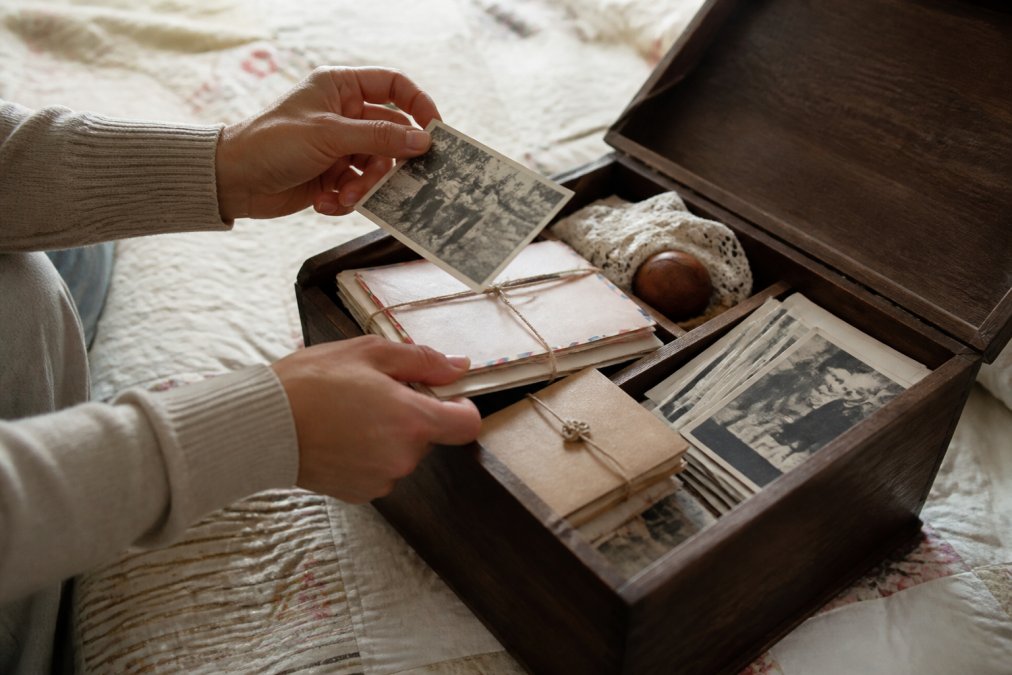
A memory box is a physical container that holds your most precious keepsakes, preserving the items that matter most in one organized, protected space.
To create a memory box:
- Choose a container that feels right (wooden box, decorative trunk, archival storage box)
- Include photographs, letters, jewelry, or small objects with strong connections
- Add written labels or notes explaining why each item matters
- Store in a cool, dry place away from direct sunlight
- Make it accessible so you actually look at it
Creating a memory box is healing. You're making intentional choices about what legacy to preserve, becoming your personal archive of your loved one's life.
Some families create separate boxes for different members; others make one central box passed down. What matters is that items are preserved with care and intention.
Preservation best practices for long-term storage:
Proper storage prevents decay. Acid-free materials are essential, regular cardboard, newspaper, and plastic deteriorate and damage contents.
- Photographs: Store in acid-free boxes or sleeves in climate-controlled space (60-70°F, 30-40% humidity). Avoid plastic sleeves, rubber bands, and paper clips. Digitize originals as backup.
- Textiles (clothing, quilts, linens): Store flat or loosely rolled in acid-free tissue. Avoid plastic bags. Use cedar blocks or lavender sachets for insects. Check annually for deterioration.
- Documents and letters: Use acid-free folders, store flat away from moisture and light. Consider professional scanning for fragile items.
- Jewelry and metal items: Store dry with anti-tarnish strips for silver. Avoid bare-hand contact. Wrap delicate pieces in acid-free tissue.
Integrating digital legacy into your memory box:
Modern preservation includes digital assets, photos, emails, videos, social media, that hold equal emotional weight.
Create a hybrid memory system:
- Digital photo archive: Scan physical photos and store in cloud service (Google Photos, Amazon Photos, Dropbox). Organize by year or event with captions. This creates a searchable, backed-up record.
- Video and audio: Digitize voicemails, home videos, or recorded messages. Store in cloud or external hard drive to prevent degradation.
- Email and documents: Request account access (with legal authorization). Archive meaningful messages and download important documents.
- Social media legacy: Memorialize accounts or download data from Facebook, Instagram, and other platforms to preserve digital footprint.
- Create a digital will: Document where digital assets live, passwords (stored securely), and access instructions to prevent loss.
Photographing Items Before Letting Them Go
Photographing sentimental items after death before letting them go preserves the memory without physical burden. Documentation is a psychological tool that helps you release items without guilt.
Why photographing works as a grief strategy:
Many people struggle with "grief-induced hoarding", the fear that letting go means losing connection to a deceased loved one. Photographing items addresses this by transforming the memory from a physical burden into a preserved image you can revisit anytime.
This works especially well for:
- Clothing (your parent's favorite jacket, a child's baby outfit)
- Artwork or crafts your loved one created
- Collections (books, figurines, sports memorabilia)
- Furniture you can't keep but want to remember
- Family heirlooms that belong with other relatives
- Handmade items or sentimental gifts
How to photograph items systematically:
Take clear photos with good lighting, close-ups of details, and multiple angles for three-dimensional items. For clothing, lay flat or hang to show the full piece.
Create a digital album organized by category or person. Write brief captions explaining the significance of each item, who made it, when it was acquired, or why it mattered. Include context: "Dad's leather jacket from his motorcycle days, 1985" tells a story. Just "jacket" doesn't.
Building a searchable digital archive:
- Use cloud storage with search capability: Google Photos, Amazon Photos, or Flickr allow searching by date, location, or keyword. Tag items with deceased's name, type, and year for easy retrieval.
- Create a dedicated album or folder: Name clearly and organize subfolders by category or room to help family navigate.
- Write detailed captions: Include item history, owner, significance, and outcome (donated, passed on, discarded) for future generations.
- Back up in multiple locations: Keep copies in cloud storage and on external hard drive to prevent loss from account closures or service changes.
Psychological benefits of documentation:
Photographing and cataloging items gives you permission to let go. You're honoring the memory by preserving it intentionally. Once documented, guilt of releasing items diminishes significantly.
This is especially true for clothing or household items. Photographing your parent's favorite sweater, writing a caption about the memories attached to it, and then donating it to a charity that will use it, this honors both the item and the person who loved it.
Sharing the digital archive with family:
A documented archive becomes a family resource. Share the album with siblings or adult children so they can revisit memories and understand what happened to items they might have wondered about. This transparency prevents future conflict and creates a shared record of the estate process.
Legal Requirements for Distributing Personal Property
When someone dies, their belongings are part of their estate. Understanding the legal framework helps you distribute items correctly and avoid family conflict.
Estate distribution follows a legal hierarchy.
Estate Liquidation Services for Personal Property
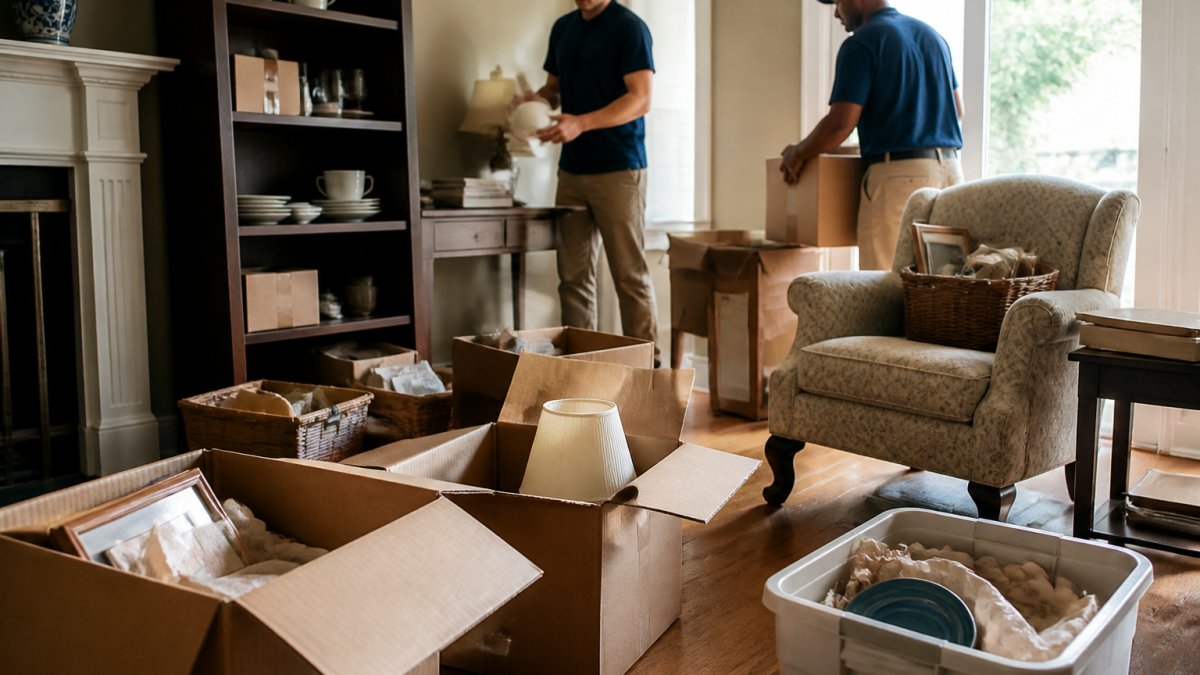
When a loved one's home contains more belongings than family members want to keep, estate liquidation becomes necessary. This is where professional help makes a real difference.
Estate liquidation services handle the entire process:
- Inventory and appraisal of items
- Separation of sentimental pieces from sellable goods
- Organization of estate sales or auctions
- Coordination with donation centers
- Removal of unsold items
Handling Disagreement Among Family Members
Family conflict over who gets what is common. Siblings remember different stories about the same item. Spouses have different priorities. Adult children might want things their parent never intended for them to have.
Establish a clear process before conflict starts:
- Set a timeline for decisions (don't rush, don't drag it out indefinitely)
- Create a written list of significant items and who gets them
- For disputed items, use a fair method (drawing names, taking turns, selling and splitting proceeds)
- Consider mediation if emotions run high
- Involve a neutral third party (attorney, estate professional, family counselor)
Frequently Asked Questions
How long should I wait before going through a loved one's sentimental items?
There's no fixed timeline. Many people find it helpful to wait a few weeks or months to allow initial grief to settle, but others feel ready sooner. The key is moving at a pace that feels right for you and your family. Some items may need attention quickly due to legal or practical reasons, while others can wait. Trust your instincts about when you're emotionally prepared to sort through belongings.
Is it normal to feel guilty when letting go of a deceased loved one's belongings?
Guilt is one of the most common emotions when discarding or donating a loved one's possessions. Many people worry they're being disrespectful or abandoning the person's memory. Remember that keeping everything isn't the same as honoring their memory. Thoughtfully selecting meaningful keepsakes while letting go of the rest is actually a healthy way to process grief and preserve what truly matters most.
What are the legal requirements for distributing personal property after a death?
Legal requirements vary by state and depend on whether the person left a will or trust. Generally, property must be distributed according to their documented wishes, or by state intestacy laws if no will exists. An executor or administrator oversees this process. Some items may be subject to probate court approval, while others pass directly to beneficiaries. Consulting with an estate attorney ensures compliance with local laws and protects all parties involved.
How can I preserve sentimental items for future generations?
Store keepsakes in acid-free containers in a cool, dry place away from direct sunlight. Photograph items before storing them for digital backup. Create a written inventory documenting the significance of each piece and any family stories attached. Consider digitizing important documents and photographs. For valuable heirlooms, proper insurance and climate-controlled storage may be necessary. Label items clearly so future generations understand their significance and history.