 how-to
What Does a Probate Consultant Do: A Step-by-Step Guide
Table of Contents
- What a Probate Consultant Does
- Core Responsibilities During Estate Administration Support Services
- Understanding the Probate Process Timeline
- When to Hire a Probate Consultant
- Probate Consultant vs. Probate Attorney: Key Differences
- Your Executor Duties Checklist
- How to Choose the Right Probate Consultant
- Conclusion
Last Updated: August 19, 2026
What a Probate Consultant Does
A probate consultant guides families and executors through the estate administration process after someone passes away. This professional bridges the gap between grieving families and the complex legal, financial, and logistical requirements that follow a death. Unlike a probate attorney who provides legal representation, a probate consultant handles the practical coordination of asset management, document organization, creditor communication, and estate settlement timelines.
The role centers on reducing overwhelm during one of life's most difficult periods. When you lose a loved one, the last thing you want is to spend months untangling financial records, coordinating with multiple professionals, and managing the emotional weight of dispersing their belongings. A probate consultant takes these responsibilities off your plate, working alongside executors to ensure nothing falls through the cracks.
At WTS Solutions, we've seen firsthand how families benefit when someone experienced manages the logistics of estate transition. The difference between navigating probate alone and having professional guidance often comes down to clarity, speed, and peace of mind. Below, we'll explain exactly what a probate consultant does, when to hire one, and how to choose the right professional for your situation.
Core Responsibilities During Estate Administration Support Services
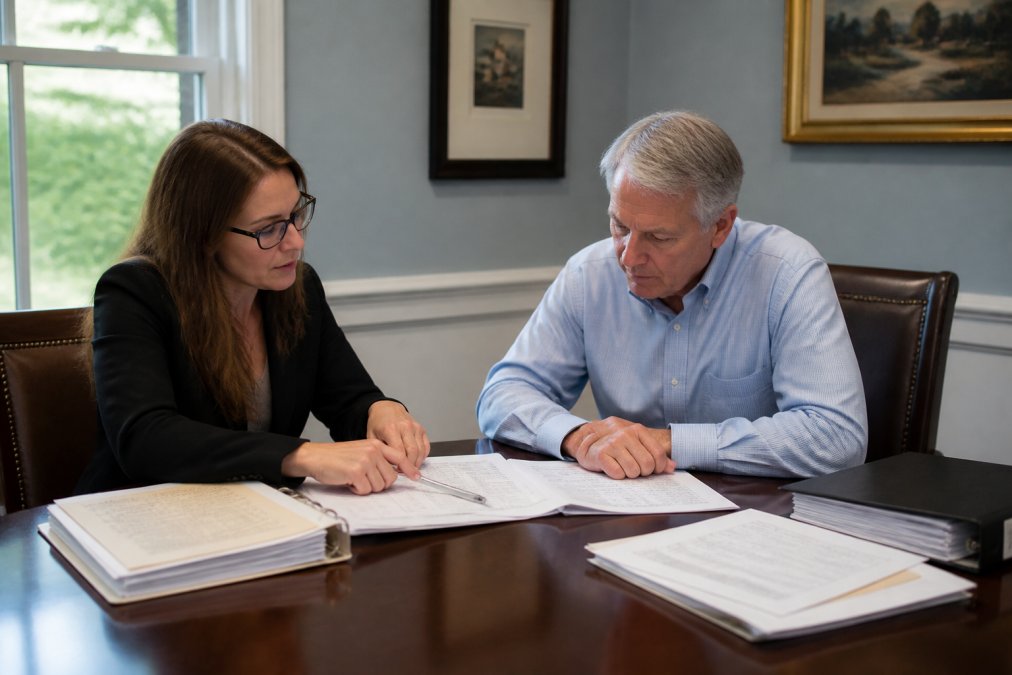
Estate administration support services provided by a probate consultant typically include organizing and inventorying all assets, communicating with creditors and financial institutions, managing timelines for legal filings, and preparing detailed accounting reports for beneficiaries. The consultant acts as the central coordinator, ensuring every piece of the estate puzzle fits together correctly.
One common responsibility is marshalling assets, locating and securing everything the deceased owned. This means identifying bank accounts, investment portfolios, real estate, vehicles, personal property, and digital assets. Many families are shocked to discover accounts or policies they didn't know existed. A probate consultant knows where to look and what questions to ask.
Another critical task involves managing creditor claims and estate debts. The consultant notifies creditors of the death, verifies claims, and works with the executor to prioritize payments. This protects the estate from fraud and ensures legitimate debts are paid in the correct order. Handling this yourself often means missed deadlines or improper prioritization that can create legal complications.
The consultant also prepares the inventory of assets required by probate court. This document lists everything the estate owns with estimated values. Accuracy here matters because it forms the basis for tax calculations and beneficiary distributions. A professional ensures valuations are reasonable and documentation is complete.
Communication with financial institutions, insurance companies, and other entities falls squarely on the consultant's shoulders. They request account statements, obtain death certificates, coordinate with title companies for real estate transfers, and manage the paperwork flow. This administrative work is tedious but essential, and mistakes here delay the entire settlement process.
Finally, the consultant prepares financial accounting and distribution plans. Before beneficiaries receive anything, the court (in many cases) requires a detailed accounting showing all assets received, expenses paid, debts settled, and remaining funds. The consultant compiles this documentation and works with the executor to present it clearly to the court and beneficiaries.
Understanding the Probate Process Timeline
The probate process timeline typically spans six months to two years, depending on estate complexity, state laws, and whether anyone contests the will. Understanding this timeline helps you know when to expect key milestones and what the probate consultant is managing at each stage.
Initial phase (weeks 1-4): The executor files the will with probate court, obtains letters testamentary (legal proof of authority), and notifies beneficiaries and creditors. The probate consultant handles filing deadlines and ensures all required documents reach the court on time. Missing these early deadlines can extend the entire process by months.
Asset identification and valuation (weeks 2-8): The consultant locates assets and arranges professional appraisals for real estate, jewelry, art, or other items requiring expert assessment. This is where the date of death valuation becomes important, assets are valued on the date the person died, which affects tax calculations and beneficiary distributions.
Creditor notification and claims period (weeks 2-12): State law requires a public notice period during which creditors can file claims against the estate. The consultant ensures proper notification and reviews claims for legitimacy. Fraudulent or time-barred claims are challenged.
Debt and expense payment (weeks 8-18): The consultant works with the executor to pay valid debts, taxes, funeral expenses, and administration costs. The order of payment matters legally, some debts have priority over others.
Tax preparation and filing (months 4-9): Estate taxes and final income tax returns must be filed. The consultant coordinates with tax professionals and ensures deadlines are met. Missed tax deadlines create penalties and complicate distributions.
Asset distribution (months 9-18): Once debts are paid and taxes are settled, the consultant prepares distribution plans showing how remaining assets go to beneficiaries. This phase requires court approval in many cases.
Final accounting and closure (months 12-24): The consultant prepares final accounting documents, obtains court approval, and ensures all assets are transferred to beneficiaries. Only after this step is the executor released from fiduciary duty.
When to Hire a Probate Consultant
You should consider hiring a probate consultant if you're an executor facing a complex estate, if you lack experience with probate procedures, or if you simply don't have the time to manage these responsibilities yourself. The decision often comes down to three factors: estate complexity, your available time, and your comfort level with financial and legal administration.
Hire a consultant if the estate is complex. Estates with multiple properties, business interests, significant investments, or beneficiaries in different states require professional coordination. International assets or cross-border probate issues also warrant expert guidance. Complexity multiplies the number of moving parts and increases the risk of costly mistakes.
Hire a consultant if you're overwhelmed. Grief doesn't pause for paperwork. If you're managing a job, caring for family, or simply struggling emotionally, trying to coordinate probate yourself adds stress at the worst possible time. A consultant handles the logistics so you can focus on what matters.
Hire a consultant if you lack experience. First-time executors often underestimate the scope of probate work. You might not know what documents to request, how to value assets, when to file taxes, or how to protect yourself from liability. A consultant provides the expertise that prevents expensive errors.
Hire a consultant if the estate involves family conflict. When beneficiaries disagree about asset distribution or executor decisions, a neutral professional can help mediate and document decisions clearly. This reduces legal disputes and protects the executor.
Hire a consultant if you want the process to move faster. Consultants know probate timelines, court requirements, and which steps can happen in parallel versus sequentially. They prevent delays caused by missing paperwork or miscommunication with institutions.
Probate Consultant vs. Probate Attorney: Key Differences
Understanding the distinction between a probate consultant and a probate attorney helps you decide which professional you need. Both support estate settlement, but they serve different purposes and have different legal authority.
A probate attorney provides legal representation and advice. They can appear in court on your behalf, file legal documents, represent your interests in disputes, and give binding legal opinions. If the will is contested, if creditors sue the estate, or if beneficiaries disagree on interpretation of the will, you need an attorney. Attorneys are licensed to practice law and carry professional liability insurance.
A probate consultant handles administrative and logistical coordination. They organize documents, track deadlines, communicate with institutions, prepare accounting records, and guide you through procedures. They cannot provide legal advice, represent you in court, or make legal decisions. However, they often work alongside attorneys, handling the administrative burden while the attorney focuses on legal matters.
In practice, many estates need both. The attorney handles legal questions and court filings. The consultant manages the day-to-day coordination that keeps everything moving forward. This division of labor is efficient because it lets each professional focus on their expertise.
The cost difference is significant. Attorneys typically charge hourly rates ranging from $150 to $500+ per hour depending on experience and location. A probate consultant's fees vary but are generally lower because they don't provide legal services. However, this varies by consultant and service scope.
Your Executor Duties Checklist
If you're serving as executor, a probate consultant can guide you through each responsibility, but understanding your core duties helps you know what to expect. Executors have fiduciary duty, a legal obligation to act in the estate's best interest and follow the will's instructions.
Initial duties (first 30 days):
- Locate the original will and probate court documents
- Notify beneficiaries, heirs, and creditors of the death
- Secure the deceased's property and assets
- Open an estate bank account
- Apply for an Employer Identification Number (EIN) from the IRS
Ongoing duties (months 1-12):
- Inventory all assets and obtain valuations
- Pay valid creditor claims and estate debts
- File estate and final income tax returns
- Manage estate property (maintain real estate, pay utilities)
- Keep detailed records of all transactions
- Communicate regularly with beneficiaries
Final duties (months 12-24):
- Prepare final accounting of all estate transactions
- Obtain beneficiary signatures on distribution agreements
- Transfer assets to beneficiaries
- File final court documents and obtain discharge order
- Close the estate bank account
A probate consultant handles most of the administrative work on this checklist, leaving the executor to make final decisions and sign necessary documents. This is where WTS Solutions helps families, we coordinate the details while you maintain control over important decisions.
How to Choose the Right Probate Consultant

Choosing the right probate consultant matters because this person will be deeply involved in your family's financial and personal matters during a vulnerable time. Look for someone with experience, clear communication, and a compassionate approach.
Check experience and credentials. Ask how many estates the consultant has managed, what types of estates (simple vs. complex), and whether they've handled situations similar to yours. Ask about any certifications or professional affiliations. While probate consulting doesn't require a license like law or accounting, reputable consultants often belong to professional organizations or have relevant certifications.
Verify references from families they've served. A consultant should be willing to provide contact information for recent clients. Speaking with families who've actually used the consultant gives you honest insight into their work quality, responsiveness, and ability to handle family dynamics.
Understand their fee structure clearly. Ask whether they charge hourly rates, flat fees, or percentage of estate value. Understand what's included in their fee and what costs extra. Get a written estimate before hiring. Transparency about costs prevents surprises later.
Assess communication style. During your initial conversation, does the consultant listen more than they talk? Do they explain things clearly without jargon? Do they seem genuinely interested in your family's situation? You'll be working with this person for months, so personality fit matters.
Ask about their network of professionals. Does the consultant work with trusted attorneys, accountants, appraisers, and estate sale companies? A well-connected consultant can coordinate with specialists efficiently. This is particularly valuable if you need services beyond basic consultation.
Confirm they understand your state's probate laws. Probate procedures vary significantly by state. The consultant should be knowledgeable about your state's specific requirements, court procedures, and timelines.
Look for someone who explains trade-offs honestly. A good consultant should discuss options, like whether to sell assets privately or through an estate sale, whether to contest a will challenge, or how to handle family disagreements. They should explain pros and cons without pushing a particular direction.
At WTS Solutions, we've supported families through estate transitions by combining probate coordination with move management and asset liquidation services. Our approach recognizes that settling an estate involves logistics beyond paperwork, it includes clearing out homes, managing estate sales, and coordinating moves from facilities. This comprehensive perspective helps families navigate the full scope of what comes after a loved one passes.
Settling an estate while managing grief is genuinely difficult. The financial, legal, and logistical demands can feel overwhelming, especially if you've never handled probate before. Working with a probate consultant removes the administrative burden and gives you confidence that nothing is being missed. WTS Solutions specializes in exactly this, coordinating probate administration, estate sales, and move management so families can focus on what matters most during difficult transitions. Connect with WTS Solutions to learn how we can support your family's estate settlement journey.
Frequently Asked Questions
What is the difference between a probate consultant and a probate attorney?
A probate consultant guides you through the estate administration process, coordinates with professionals, and manages logistics like asset inventory and distribution timelines. A probate attorney provides legal advice, represents you in probate court, and handles legal filings. Many families benefit from working with both: the attorney handles legal matters while the consultant manages day-to-day coordination and reduces your personal burden during a difficult time.
Do I need a probate consultant if I have an executor?
Not always. If the executor is organized, has time, and the estate is straightforward, they may manage probate alone. However, if the executor is overwhelmed, the estate is complex, or there are multiple properties or significant debts, a probate consultant provides invaluable support. A consultant handles the logistics so the executor can focus on family and decision-making rather than administrative details.
How long does the probate process timeline typically take?
Probate usually takes 6 to 12 months, though complex estates can take longer. The timeline depends on estate size, whether the will is contested, how quickly creditor claims are resolved, and local probate court schedules. A probate consultant helps keep the process moving by managing deadlines, coordinating with the court, and ensuring all required filings are submitted on time.
What specific tasks does a probate consultant handle during estate settlement?
A probate consultant manages marshalling assets, coordinating appraisals for real estate and valuables, preparing an inventory of assets for the probate court, managing creditor claims and estate debts, facilitating asset distribution to beneficiaries, and overseeing the legal filings timeline. They also coordinate with estate sale companies if liquidating belongings and help families navigate the emotional and logistical challenges of settling the estate.
This article was written using GrandRanker