 how-to
Steps to Close an Estate After Probate: 2026 Guide
Table of Contents
- What Closing an Estate After Probate Means
- How Long Does It Take to Close an Estate
- Step 1: Verify Probate is Complete and Obtain Court Documents
- Step 2: Settle All Outstanding Debts and Final Expenses
- Step 3: Prepare Executor Final Accounting Requirements
- Step 4: Distributing Assets to Beneficiaries
- Step 5: File the Petition for Discharge and Close the Estate
- Common Mistakes Executors Make When Closing an Estate
- Frequently Asked Questions
Last Updated: September 27, 2026
What Closing an Estate After Probate Means
Closing an estate after probate is the final legal step that releases an executor from their duties and distributes remaining assets to beneficiaries. It marks the official end of the probate process. Once the court approves the closing, the estate no longer exists as a legal entity.
Probate isn't truly finished until you close an estate after probate by obtaining a court petition for discharge, which releases the executor from liability and allows beneficiaries to receive their inheritance.
How Long Does It Take to Close an Estate
How long it takes to close an estate depends on the estate's complexity, your state's probate rules, and how efficiently you complete each step. Simple estates may close in three to six months. Complex estates with disputes, multiple properties, or significant assets can take one to two years or longer.
Universal Timeline Factors
All states impose a creditor claim period (typically three to six months, up to one year in some states) during which creditors can file claims. You cannot distribute assets until this deadline passes, which alone can add months to your timeline.
After the creditor claim period expires, you prepare the final accounting, which reconciles every dollar that entered and left the estate. Court review typically takes two to eight weeks, or longer if the court requests additional documentation.
State-Specific Variations That Affect Timing
Some states require a publication period before probate opens, adding one to two months to the overall timeline.
Other states distinguish between formal and informal probate. Informal probate can close in two to three months; formal probate typically takes six months to one year minimum.
Some states impose a mandatory waiting period after death (typically 30 to 60 days) before probate can open; others allow immediate filing.
Procedural Delays You Control
Your diligence directly affects timeline. Filing the petition for discharge immediately after the creditor claim period expires closes the estate faster; delays in gathering documents or resolving disputes extend closure by months.
Real property title transfer typically takes one to three weeks after court approval; appraisals or title issues add further delays.
Transferring retirement accounts, investment accounts, or business interests requires coordination with financial institutions and may take four to eight weeks per account.
Court System Backlogs
Busy probate courts in urban areas may have backlogs that delay document review by weeks or months. Rural courts with lighter caseloads often process discharge petitions within two to four weeks. Call your probate court clerk to ask about current processing times. This single conversation can help you set realistic expectations.
Step 1: Verify Probate is Complete and Obtain Court Documents
Confirm that probate has finished: the court has approved the inventory and appraisal of assets, and all creditor claims have been resolved or expired.
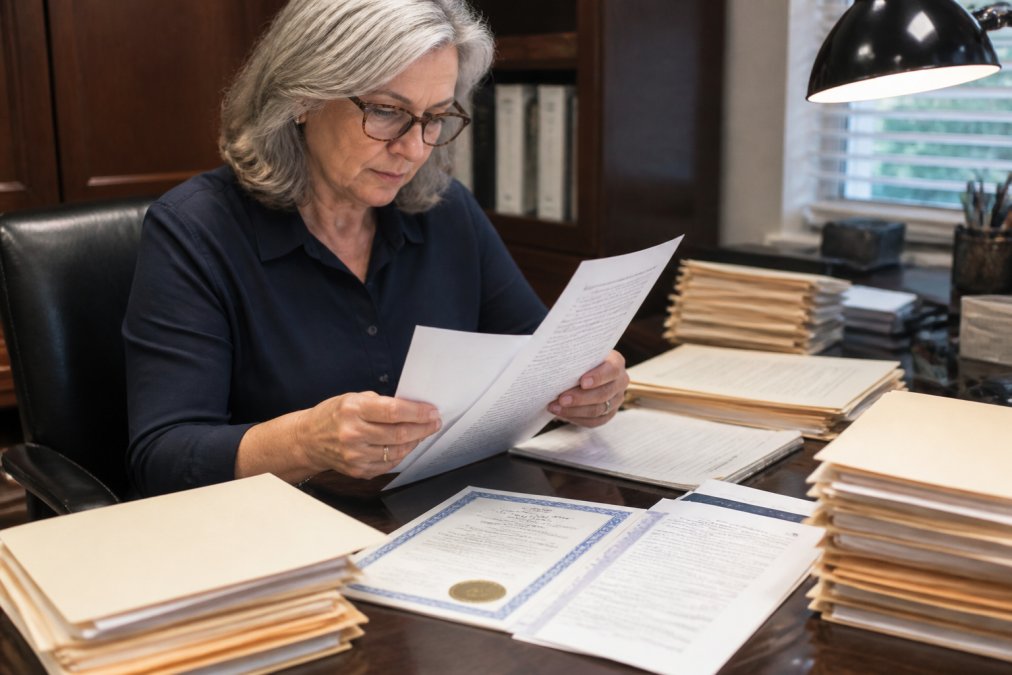
Request certified copies of the letters of authority or letters testamentary that appointed you executor and the court's order approving the final accounting. These documents prove your authority and that you've fulfilled your duties.
Contact your probate court directly and ask for all documents related to the estate. Many courts provide checklists or online portals; others require in-person visits or mail requests.
Keep these documents organized and safe. You'll need them to close bank accounts, transfer property titles, and prove to beneficiaries that the process followed the law.
Step 2: Settle All Outstanding Debts and Final Expenses
Before distributing assets, you must pay all outstanding debts (medical bills, funeral costs, attorney fees, court costs, property taxes). If you distribute before paying debts, creditors can pursue beneficiaries for payment, creating liability and conflict.
Identifying All Debts: Visible and Hidden
Create a comprehensive debt list starting with obvious sources: medical bills, funeral invoices, and attorney statements. Request a credit report from the three major credit bureaus to reveal credit cards, personal loans, and other obligations.
Check for property taxes (contact the county assessor's office) and unpaid income taxes (contact the IRS and state tax authority). Property tax debt is a priority claim that must be paid before other creditors.
Review utility bills, insurance policies, and subscription services that continue accruing charges after death. Review the decedent's email and mail for invoices and creditor notices.
If the decedent owned a business, consult with the business accountant or attorney about business debts, payroll obligations, and vendor contracts.
Managing Digital Assets and Online Accounts
A critical and often-overlooked category is digital assets and online accounts, which create ongoing expenses and liability if not properly closed or transferred.
Cryptocurrency and digital wallets: Identify all digital wallets and exchanges. Consult a cryptocurrency specialist or attorney, as transferring or liquidating crypto involves tax implications and technical steps. Leaving crypto in an exchange account exposes the estate to fees and potential loss.
Online banking and payment accounts: Close or freeze PayPal, Venmo, Square Cash, and similar accounts. These platforms may charge monthly fees or allow unauthorized transactions if left active. Request the account balance and have funds transferred to the estate's probate account.
Cloud storage and digital subscriptions: Review the decedent's email for active subscriptions. Cancel those you don't need. Download and archive important documents or family photos before cancelling accounts.
Social media accounts: Contact platform support teams with a copy of the death certificate to request account closure or memorialization.
Domain names and websites: Decide whether to maintain, transfer, or let expire. Cancel services you don't intend to keep.
Email accounts: Download important emails and contacts before closure. Notify frequent contacts of the decedent's death.
Digital assets and accounts can generate hundreds of dollars in unexpected charges if left unmanaged. Track these expenses separately in your accounting.
Paying Debts from the Estate Account
Pay debts from the estate's bank account in priority order: taxes first, then secured debts (mortgages, vehicle loans), then unsecured debts (credit cards, medical bills).
Keep receipts, cancelled checks, and payment confirmations as proof. These documents prove to the court and beneficiaries that you settled obligations properly.
Handling Disputed Claims
If a creditor claims the estate owes money and you believe it doesn't, document your position carefully and don't pay without investigation.
Request itemized statements and proof of debt. If you disagree with a claim, respond in writing explaining your position and keep copies of all correspondence.
If a dispute cannot be resolved, consult your probate attorney. Some disputes require court intervention. Your attorney can file a motion to disallow the claim or negotiate a settlement. The cost of legal review is typically less than paying a fraudulent or inflated claim.
Step 3: Prepare Executor Final Accounting Requirements
An executor final accounting is a detailed report of all money and property that passed through the estate, showing opening balances, income received, expenses paid, and closing balances. The court requires this before approving discharge.
List every asset that entered the estate with dates and values, and every expense paid with dates and amounts. Organize clearly so the court can follow it easily.
Contact your court clerk to learn the exact format required for final accounting in your state.
Gather receipts, bank statements, and payment records to prove accuracy.
Step 4: Distributing Assets to Beneficiaries
Distributing assets must follow the decedent's will or state law if there's no will. Never distribute based on what beneficiaries ask for or what feels fair.
Step 5: File the Petition for Discharge and Close the Estate
The petition for discharge is the final document you file with the court to close an estate after probate. It asks the judge to approve your actions as executor and release you from the role. Once the court grants this petition, the estate is officially closed.
Common Mistakes Executors Make When Closing an Estate
Rushing the closing process creates errors that delay closure or expose you to liability. Take time to verify every step.
Frequently Asked Questions
How long does it take to close an estate after probate?
The timeline depends on estate complexity, state requirements, and how quickly you gather documents and resolve claims. Simple estates may close within 3-6 months after probate concludes, while larger or more complicated estates can take 1-2 years. Creditor claim periods, tax clearance certificates, and court schedules all affect the final discharge date. Work with your probate attorney to establish a realistic timeline based on your specific situation.
What are the executor final accounting requirements?
Executors must prepare a detailed accounting showing all income, expenses, distributions, and asset transfers during administration. This verified report documents beginning balances, receipts, disbursements, and ending balances for each account or asset. You'll file this accounting with the probate court, and beneficiaries have the right to review it. The accounting demonstrates you've fulfilled your fiduciary duty and managed estate assets responsibly. Requirements vary by state, so consult your probate attorney for specific forms and deadlines.
Can I distribute assets to beneficiaries before the estate is officially closed?
In some cases, yes, but only with court approval or under specific state laws. Many states allow preliminary distributions after creditor claim periods expire, but you should retain reserves for final expenses, taxes, and potential claims. Distributing assets too early can create liability if unexpected debts arise. Your probate attorney can advise whether partial distributions are appropriate for your estate and what court approval, if any, is required before the final discharge.
Do I need an attorney to close out an estate?
While not always legally required, having an attorney is highly recommended, especially if the estate is substantial, involves real property, or has family disagreements. Attorneys ensure compliance with probate laws, prepare required court documents, and help avoid costly mistakes. For smaller, simpler estates with cooperative beneficiaries, some executors manage the process independently, but the complexity of final accounting, tax clearance, and petition filing typically warrants professional guidance to protect yourself from liability.