 How-to
How to Handle Sentimental Items in an Inheritance?
Quick Summary
Sentimental items inheritance is best handled by taking inventory of the belongings that matter most, giving yourself time before deciding, and agreeing on a fair division process such as turn-taking. Photograph items you cannot keep so the memories stay even when the objects go.
- Start with five to ten sentimental belongings and record where each one was found.
- Use a short test: does it connect to a memory, will someone use it, and can it be stored safely?
- Agree on division rules before choosing, such as turn-taking with one item per turn.
- Photograph or scan items you cannot store, and keep the originals that matter most.
- Name key keepsakes in an estate plan to help prevent disputes later.
Table of Contents
Why Sentimental Items Are Harder to Sort Than Anything Else
Sentimental items inheritance is the hardest part of clearing a home, and most families find out the hard way. A dresser full of old tools is easy to price. A box of handwritten letters is not. Recent survey work backs up what many families already feel: 51% of Americans said they would rather receive a few items tied to memory, identity, or family history than inherit an entire estate, according to The Great Junk Transfer 2026 study. Only 20% said they would choose to inherit everything.
That preference explains the emotional weight. Each object carries a story, so every decision can feel like a judgment about the person who died. Researchers who study inheritance describe these objects as capable of triggering difficult reactions, not only warm memories, according to "Holding on or letting go: Inheritance as a liminal experience" in Consumption Markets & Culture.
This guide walks through a clear process. It covers how to take inventory, when to pause, how to decide what to keep, and how to divide items fairly. If you are overwhelmed, the steps below will help you take one manageable piece at a time.
Step 1: Take an Inventory of Sentimental Belongings
Start with the rooms most tied to the person who died. Bedrooms, closets, and the kitchen often hold the most personal items. Make a simple list of the sentimental belongings you find, along with where you found them.
A practical starting point is to identify five to ten belongings that matter most. Keep the list short at first. You can add to it later.
- Note the item and its location
- Write one line on why it matters
- Mark whether family members have already asked for it
- Flag anything that needs appraisal or legal review
Estate-planning guidance also recommends documenting sentimental items inheritance plans, including how sentimental property should be distributed. Professionals often describe a personal property memorandum or residuary-clause planning as ways to record those wishes, according to New York Estate Planning guidance.
Step 2: Give Yourself Time Before Making Decisions
Do not rush sentimental decisions. Grief makes it hard to think clearly about what to keep, and it is normal to feel stuck. Many families find that the first pass through a room is only about sorting into "yes," "no," and "not yet."
Set a pace that works for you. Work in short sessions, take breaks, and stop when you feel drained. A "not yet" box can hold items you cannot decide on, so nothing gets thrown away in a hurry.
Step 3: Decide What to Keep Using a Simple Framework
Use a short set of questions to test each item:
- Does this item connect to a memory I want to keep?
- Will someone in the family use or display it?
- Can I store it safely for the long term?
- Would I regret letting it go?
Items that pass most of these questions are strong candidates to keep. Photographs and letters are often easier to preserve than furniture, so you can keep the memory without storing the object. Acid-free boxes help protect paper items if you keep them.
Step 4: Divide Sentimental Items Among Family Fairly
Family disagreements are common here. Siblings may want the same item, or one person may feel they are getting less value. Agree on a fair process before you start choosing.
Turn-taking is one practical method. Each person picks one item in turn, and the order rotates until everything is assigned. Practical guidance from the Soto Law Group describes this round-robin approach as a way to select sentimental belongings, according to The Soto Law Group estate guidance.
Using Turn-Taking to Settle Disagreements
Turn-taking works best when everyone agrees on the rules first. Write them down so there is no confusion later.
- Set the order by drawing lots or alternating each round
- Limit each turn to one item, or one small set
- Give everyone a chance to say why an item matters to them
- Hold a final review for anything still disputed
When items have very different values, a family may choose to balance the split with other belongings. Agreeing on this early reduces resentment later.
Step 5: Preserve Memories Without Keeping Every Item
You do not have to keep every object to keep the memory. Photograph items you cannot store, and consider making a photo book, a digital folder, or a short video of family stories. Letters can be scanned and shared among relatives. As you preserve these stories, curating family photos can help bring scattered images together with the memories they hold.
Keep the originals that matter most, and let go of duplicates. This approach lets you honor a loved one without filling your home with boxes.
Planning for Sentimental Items in an Estate Plan
Sentimental items are easier to handle when the estate plan names them. A clear list of who should receive specific keepsakes can prevent disputes. Ask an estate attorney how Washington law handles personal property and whether a separate memorandum is useful.
Plans made before a death help families avoid many of the hardest choices. If you are planning your own estate, consider naming the items that matter most.
Booking Help to Clear the Home With WTS Solutions
Clearing a home after a loss takes time, and it can feel like too much on top of grief. WTS Solutions provides hands-on coordination for move-outs from homes and facilities, and it partners with estate sale companies when items need to be sold. Our team can also help bridge the gap between your family and the professionals involved, so you do not have to manage every detail alone.
If you are ready for support, [contact us to start a conversation about clearing the home | page:5]. We can talk through your situation, your timeline, and the next steps.
Frequently Asked Questions
How do you decide what to keep from a loved one's belongings?
Start with the items tied most closely to memory, identity, or family history. Many heirs value a short, carefully chosen list over a complete collection. Set a limit, such as five to ten belongings per person, and revisit the list after a few weeks so the choices feel deliberate rather than rushed.
How can family members fairly divide sentimental belongings?
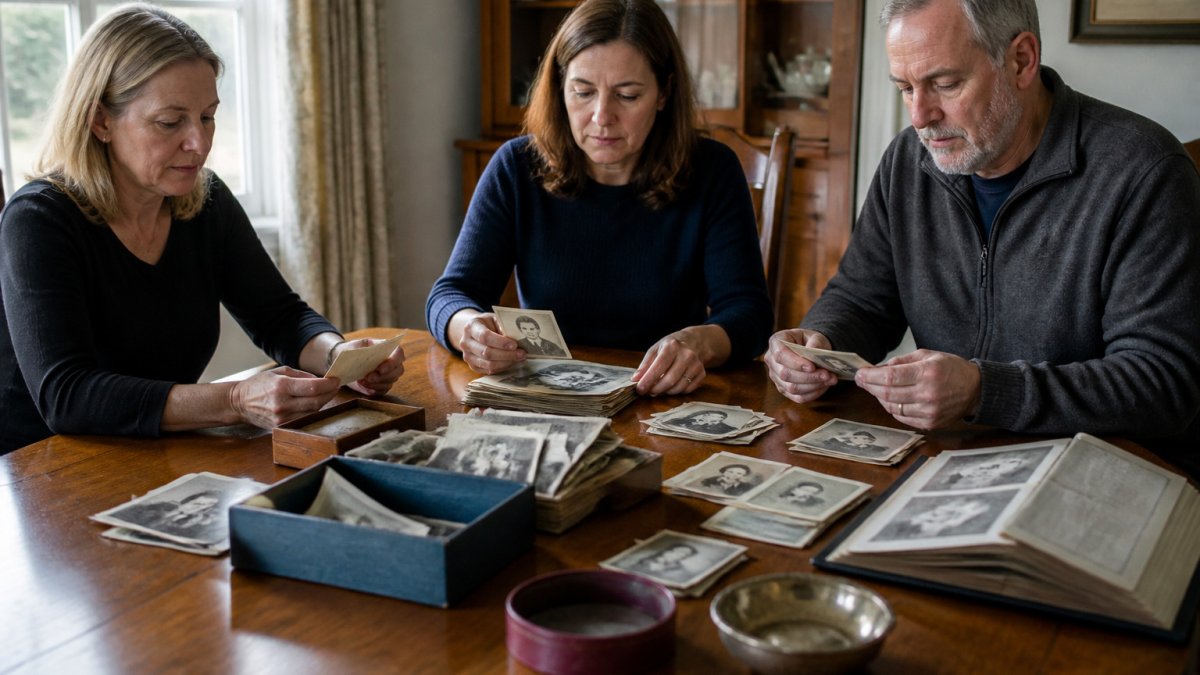
Many families use a round-robin or turn-based process, where each heir picks one item at a time until everything on the list is claimed. This approach is a practical way to divide sentimental belongings. Build the list from a shared inventory first, so no one feels an item was chosen behind their back. If the estate includes unequal value or strong disagreement, a neutral facilitator or estate attorney can help set the rules before selection begins.
How long should you wait before sorting a loved one's belongings?
There is no fixed timeline, and most families benefit from waiting until the first wave of grief has eased enough to make clear decisions. Avoid sorting during the first days after a death or funeral, when emotions run highest. A practical approach is to handle urgent tasks first, such as securing the home and identifying valuables, then schedule the sentimental sorting for a later date when everyone involved can participate.
Should sentimental items be included in an estate plan?
Yes, many estate planners recommend documenting sentimental property and stating how it should be distributed. Estate planners often suggest making an inventory and using a personal property memorandum or residuary-clause planning. Including these instructions reduces the chance of family disputes after a death. Consult an estate attorney to make sure any memorandum is properly recognized under Washington state law.